






The second quarter of the year usually concentrates key meetings with European clients: project closures, negotiations, results reviews and planning before the summer. In that context, a badly managed video call can create misunderstandings, stall decisions and give an unprofessional impression. In this article you will see how to prepare these meetings with interpreting support, which mistakes to avoid and which decisions help make communication clear, efficient and useful.
Preparing the meeting properly makes the difference
In professional interpreting, much of the result depends on what happens before the video call begins. When the interpreter receives context, materials and objectives, they can anticipate terminology, tone and possible sensitive points in the meeting.
In meetings with European clients this matters especially, because it is not only different languages that come into play but also different ways of speaking up, negotiating and closing agreements. A commercial meeting with a French distributor is not the same as a technical review with a German client or a follow-up call with a Dutch partner.
It is therefore advisable to share the agenda, the names and roles of the participants, the base documentation and any presentation to be used in advance. This point fits well with what ALOS explains in Which documents to share with the interpreter before a corporate event, which sets out which materials make interpreting more precise and fluent.

How to manage meetings with European clients better before the summer
Before the summer, many companies try to close outstanding matters in just a few weeks. That usually means tighter schedules, faster meetings and less room to correct mistakes. In this scenario, interpreting in video calls has to rest on very clear organisation.
The first step is to define the real objective of each meeting. If the aim is to validate a proposal, renegotiate terms or resolve incidents, all participants must be clear about that focus from the start. When there is no well-defined objective, the conversation drifts and interpreting loses effectiveness because changes of subject, interruptions and ambiguous contributions multiply.
It also helps a great deal to establish a simple set of rules from the outset: who moderates, when questions are taken, how long each contribution should last and which language each participant will use. In video calls with several speakers, this structure reduces overlaps and improves everyone’s understanding.
Taking turns matters more remotely
One of the most common mistakes in multilingual video meetings is assuming the conversation will flow naturally without agreed rules. In practice the opposite happens. People talk over each other, there are micro-dropouts and some participants tend to jump in too quickly or with blocks of information that are too long.
To avoid this, it is worth asking for slightly shorter sentences, natural pauses between ideas and active moderation when there are more than three or four people. This does not make the meeting more rigid; it makes it more efficient.
For example, if the sales team presents a complex proposal at speed and without pauses, the client may grasp the general message but miss important nuances about prices, deadlines or terms. When the pace is adapted to the dynamics of interpreting, on the other hand, the meeting gains clarity without losing momentum.
Interpreting is not only about conveying words
In meetings with European clients, the cultural component weighs as much as the linguistic one. Some markets value courtesy and context more, while others expect more direct, decision-oriented communication.
That means professional interpreting should not be limited to transferring sentences word for word. It must preserve the intent, the tone and the right degree of formality so the message lands as it should.
This is very clear in negotiation settings. In fact, ALOS addresses it in The role of the interpreter in international negotiations, which highlights how precision, discretion and the ability to convey nuance shape the course of agreements and strategic conversations.
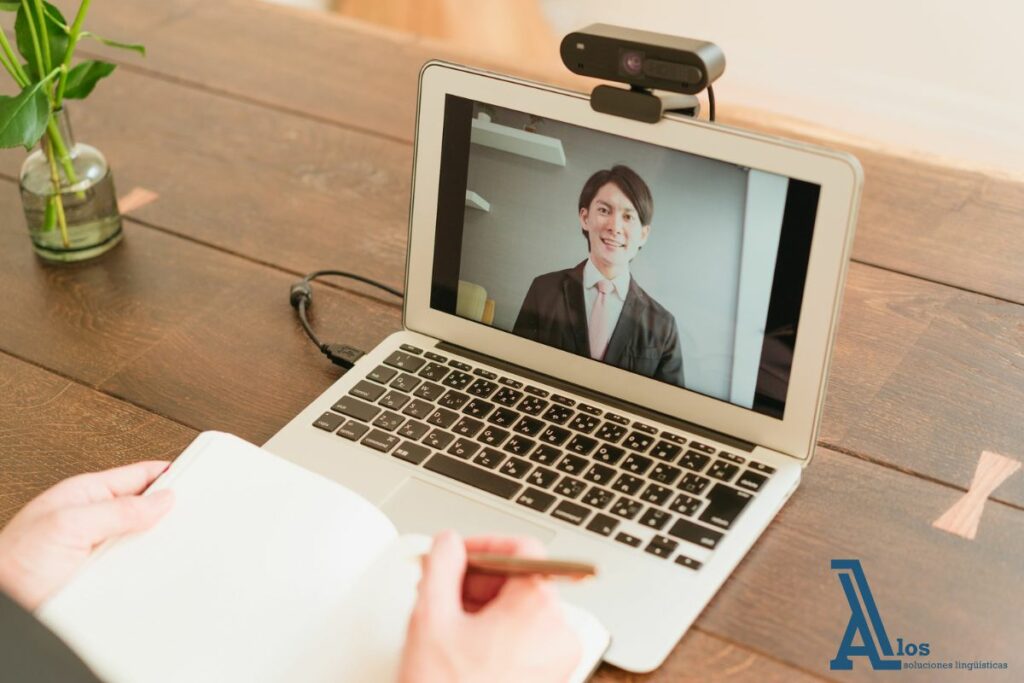
Which interpreting format to use
Not all video calls require the same type of service. In small meetings, with few participants and a slower pace, consecutive interpreting can work very well. It allows more control over the message and is usually useful in commercial conversations, follow-up meetings or negotiations with several sensitive points.
If, on the other hand, the video call brings several teams together, includes a presentation of results or needs to move quickly, simultaneous interpreting is usually the better option. It requires a suitable platform and prior technical coordination, but it keeps the meeting moving without stretching the timings excessively.
The decision should be based on the objective, the number of attendees and the type of interaction expected. Choosing the wrong format can make a meeting slow or, conversely, too demanding for everyone involved.
Common Q2 mistakes and how to avoid them
One of the most frequent failings at this time of year is cramming too many important meetings into a few days. When everything piles up before the summer, it is easy to arrive at the video call without finalised materials, without a briefing and without clear ground rules.
It is also common not to check the technical side. To convey a more professional image in video calls with European clients, an LED lighting panel for video calls lights the face evenly and removes shadows, something that shows a lot in recorded meetings or with counterparts who care about corporate image.
Poor audio, an interpreting channel that has not been enabled or an unstable connection directly affect the quality of the meeting. It is therefore worth running a quick check before starting, especially when several sites or countries are involved.
Another common mistake is thinking the interpreter can single-handedly make up for any lack of context. A professional can adapt, yes, but the final quality improves noticeably when the company shares useful information and organises the meeting with judgement.
Closing deals with European clients before the summer?
Interpreting for multilingual video calls, prepared with your agenda and your terminology, in the right format for each meeting. Don’t let language slow your decisions down.
Check availability →Frequently asked questions
When the meeting involves people who do not share the same working language and the content affects decisions, negotiation, sales or operational coordination. The more important the message, the more sense professional interpreting makes.
Ideally the agenda, the names of participants, objectives, presentations, supporting documentation and key terminology. The better the context is prepared, the more precise the interpreting will be.
It depends on the format. Consecutive works well in small meetings and negotiations. Simultaneous is more suitable when several participants are involved or when a faster pace needs to be maintained.
Managing video calls with European clients well before the summer takes more than connecting on time. It requires preparation, coordination, clear ground rules and an interpreting service matched to the meeting’s objective. When these elements come together, communication flows better and decisions move forward with greater confidence.
If your company needs support for international meetings, at ALOS you will find professional interpreting services adapted to corporate environments, negotiations and multilingual video calls. Contact the team to assess the most suitable option for the type of meeting you are planning.