






Professional translation is an effective tool against misinformation because it ensures documents keep their meaning and meet the requirements of each procedure. If you are wondering how professional translation works as a tool against misinformation, its main advantage is reducing the errors that lead to requests for correction, delays or unfavourable decisions in immigration procedures. Read on…
In Spanish immigration procedures, a small error can turn into weeks of delay or even an unfavourable decision. One of the most common problems arises when foreign documents are submitted badly translated or incorrectly interpreted. In this article you will see how professional translation helps avoid errors, reduces misinformation and brings certainty to legal and administrative processes.
The real problem: badly translated documents in immigration procedures

Anyone starting a migration process usually handles birth certificates, criminal record certificates, academic qualifications, contracts, court decisions or notarial documents. Many of them are written in another language and have to be submitted in Spanish.
This is where a very common error appears: relying on machine translation, informal translations or versions produced without any legal judgement. The result can be serious. A legal term carried across incorrectly, a date misread or a relevant nuance left out can make the document useless in practice before the authorities.
In practice, that usually means requests for correction, delays, added costs and more stress for someone who is already trying to get through a complex procedure.
Why professional translation makes the difference
A professional translation is not just a matter of swapping words from one language to another. Its value lies in carrying the meaning of the document across accurately within a specific legal, administrative and cultural context.
Terminological precision
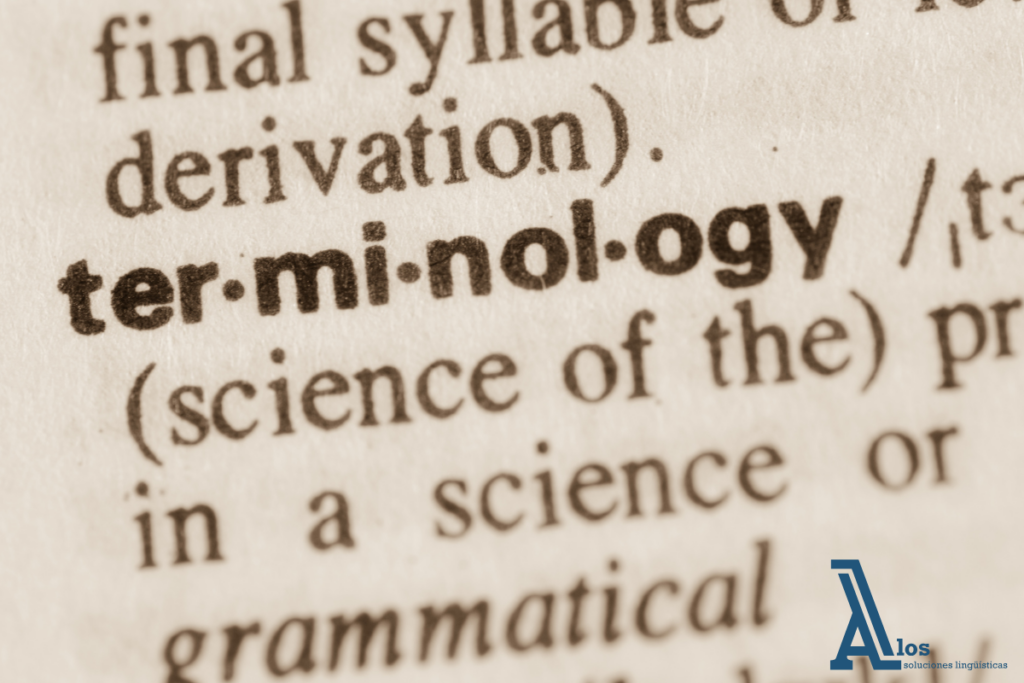
Legal and administrative documents use very specific terminology. Translating a general text is not the same as translating a certificate, a ruling or a power of attorney. An experienced professional knows how to identify valid equivalents and avoid ambiguous readings.
Consistency across documents
In immigration procedures, consistency between documents is key. Names, surnames, dates, places of issue and reference numbers have to stay uniform. A small discrepancy between documents can raise unnecessary doubts.
Acceptance by official bodies
Many procedures require a sworn translation. In those cases it is not enough for the translation to be well written: it must meet the formal requirements set by the authorities in order to be valid.
If you want to understand this point better, you can read more in this article on sworn translation in Spain.
How misinformation creeps into these procedures
Misinformation does not always come from a bad-faith source. It often springs from informal advice, other people’s experiences or generic content that does not apply to every case.
A common example is assuming that any bilingual person can translate an official document. Another is taking it for granted that a machine translation will do as long as the content “makes sense”. It is also frequent to believe that every document needs the same type of translation.
In immigration procedures, these shortcuts tend to be expensive. What looks like a quick fix in a group chat or a forum may not match the actual requirements of the body handling your case.
Common mistakes a good translation can prevent
One of the most common errors is submitting translated documents that do not respect the original structure. That makes the file harder to review and can prompt the authorities to ask for a new version.
Another frequent error is failing to distinguish between a standard translation and a sworn translation. For internal or informational documents, a professional standard translation can be enough, but when the document has to be submitted officially, the requirement changes.
To look at that difference in more depth, you can read this guide to the types of translation and what each is used for.
Problems also arise when apparently minor elements are not checked, such as stamps, handwritten notes, proper names or references to legislation. In legal documents, those details do matter.
Professional translation as a preventive measure
Seeing professional translation as a preventive measure changes how you approach a procedure entirely. It is not just about ticking a box at the end of the process, but about preparing your paperwork correctly from the outset.
A proper translation helps you to:
present clear, verifiable information
reduce the risk of requests for correction
avoid contradictions between documents
speed up the review of your file
come across as credible to the authorities
In an environment where misinformation spreads easily, working with specialists brings the technical judgement you need to make better decisions.
What to check before commissioning a translation
Before sending your documents off to be translated, there are three basic points worth checking.
The first is to confirm which body will receive the document and what it requires. An immigration office, a university and a court do not all ask for the same thing.
The second is to check whether the document needs a sworn translation or whether a standard professional translation is enough.
If you travel to immigration offices or handle paperwork while you are out, a high-capacity power bank keeps your phone charged so you can reach documents, translations or appointment confirmations when you need them most.
The third is to prepare a legible, complete copy of the original. A poor image, a cropped page or an illegible stamp can affect the final result.
Translation and legal certainty
When a foreign document becomes part of a file in Spain, it stops being merely informative. It becomes part of a procedure with real effects. That is why the quality of the translation has a direct bearing on the legal certainty of the person submitting it.
A badly translated certificate can raise doubts about its content. A contract with imprecise terms can change how an employment or financial relationship is read. A poorly translated academic qualification can complicate a recognition or equivalence process.
Professional translation narrows that margin for error and lets the document do its job clearly.
Frequently asked questions
You need one when the document is going to be submitted to an authority, university, court or official body that requires formal validity. This is common with certificates, qualifications, rulings and notarial documents.
No. It can help you get a rough idea of the content, but it has no official validity and can introduce serious errors in dates, terms or legal references.
Most likely you will be asked to put the file right or provide a new translation. That delays the procedure and can mean extra costs and more uncertainty.
Not always. It depends on the procedure and the body handling it. That is why it is worth checking the requirements before commissioning a translation.
Professional translation is no minor detail in immigration procedures. It is a practical tool for avoiding errors, reducing misinformation and submitting your paperwork with greater confidence. When a procedure depends on every piece of information being clear and correct, specialist language support makes the difference.
If you need to translate documents for immigration, study or legal matters in Spain, ALOS can help you work out what you need and point you towards the most suitable language service for your case.