






If you are in the middle of an immigration procedure in Spain, you have very probably searched for information on social media or in forums. The problem is that a lot of viral content simplifies or plainly distorts legal requirements. That can lead to costly mistakes, especially where translation and official paperwork are concerned.
In this article you will learn to tell reliable information from viral advice and to apply the key terms correctly in your own procedures.
Why viral information can damage your case

In immigration matters, every word counts. A “plain translation” is not the same as a “sworn translation”, nor is a “copy” the same as a “certified copy”. On social media, however, these terms are routinely mixed up or used incorrectly.
A very common example is videos or posts claiming that any translation will do when submitting documents. Many people follow that advice, submit a translation with no official validity and then receive a request for rectification or, in the worst case, a rejection of their file.
Viral information tends to fail for three reasons. It does not distinguish between general cases and specific situations, it does not cite official sources and it puts speed ahead of accuracy. In legal procedures, that comes at a high price.
What counts as official information in immigration matters
Official information is that which comes from public bodies or recognised sources: ministries, consulates, immigration offices or the legislation in force.
In practice, that includes requirements published by the authorities, specific instructions for the procedure and formal rules on how paperwork must be submitted. This is where many people go wrong: they read a summary online and believe they understand the whole process, when in fact they are unaware of the details.
If you want to explore the cases in which a misread document can complicate an administrative procedure, it is worth looking at this guide on sworn translation for recognising academic qualifications, which sets out common errors, the documents required and the key points for not stalling the procedure.
Key distinctions you need to understand and that are often confused
Plain translation vs sworn translation
A plain translation can help you understand a text but carries no legal validity before the authorities. A sworn translation, by contrast, certifies that the translated text is faithful to the original and can be submitted in official procedures where it is required.
Confusing the two is one of the most frequent errors in immigration matters.
Original document vs valid copy
A copy is not always enough. Depending on the procedure, you may be required to produce the original document, a certified copy or a legalised or apostilled document. When this detail is overlooked, requests for rectification arise and the whole process is delayed.
General requirement vs specific case
Not all files work the same way. Nationality, the type of permit applied for, the country where the document was issued and the purpose of the procedure can change the requirements entirely.
That is why a piece of viral advice that looks useful may simply not apply to your situation.
How to check whether information is reliable
Before following any advice you see online, check three things. First, whether it comes from an official source or a specialist professional. Second, whether it is up to date. Third, whether it explains the context or merely gives a generic instruction.
Reliable information does not just tell you what to do. It also makes clear why that requirement exists and in which cases it applies.
What is more, when the process involves academic recognition or the legal use of foreign documents in Spain, it pays to understand the prior requirements properly. This piece on how to validate a foreign academic qualification in Valencia sets out the steps, the paperwork and the difference between full recognition and equivalence.
The role of translation in preventing legal errors
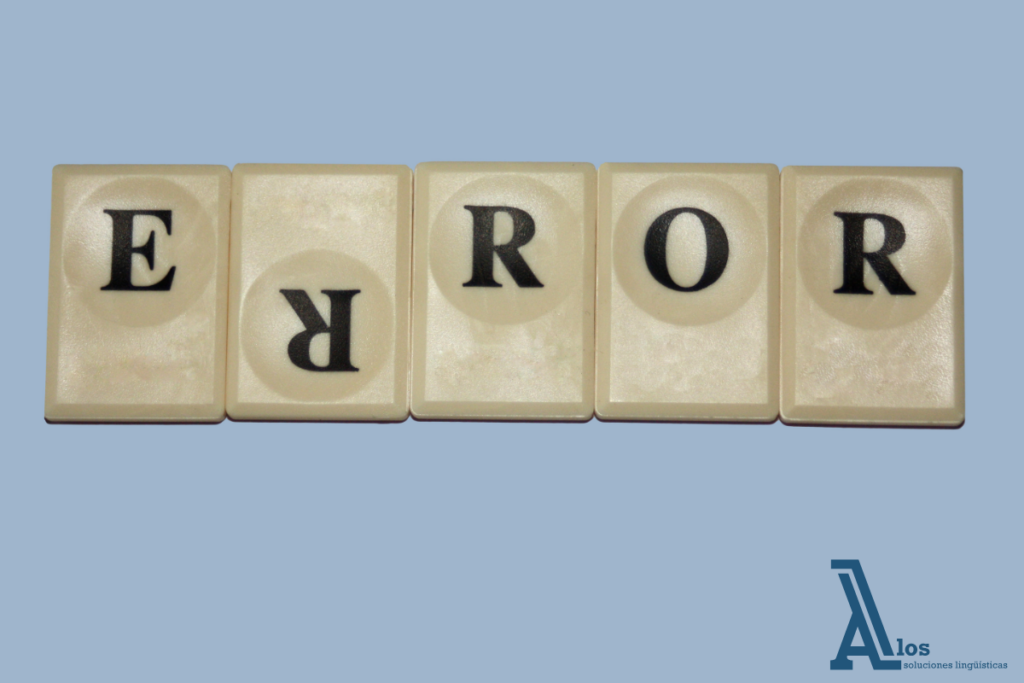
Translation is not a secondary step. In many files it is decisive. A badly translated document, with incorrect terminology or submitted in the wrong format, can block the procedure.
That does not only cause delays. It also creates uncertainty, additional costs and the need to redo part of the process.
Understanding the terms properly is therefore not a theoretical exercise. It is a practical way of avoiding errors from the outset.
When you should be wary of the information you see online
There are several fairly clear warning signs: promises of easy procedures, posts that cite no source, explanations that use legal terms without developing them, or advice that appears to fit any case.
When a piece of content reduces a complex administrative procedure to a quick formula, the sensible thing is to stop and check it.
How to act to avoid errors from the start
The safest way forward is to combine official information with professional advice where necessary.
If you spend time searching for and cross-checking official information at your computer, a compact wireless mouse gives you more comfort and precision than the trackpad when you have several tabs open comparing requirements and paperwork.
Before submitting anything, check the specific requirements of the procedure, confirm whether you need a sworn translation and make sure you understand the terms that appear in the application or in the list of documents.
That saves time, prevents hold-ups and greatly reduces the chance of errors that later cost weeks of correction.
Frequently asked questions
No. Many procedures require a sworn translation. A plain translation can help you understand the content, but it does not replace a document with official validity.
Only as an initial pointer. Before acting, cross-check that information against official sources or with professionals specialising in legal documents and translation.
The authorities may ask you to rectify the file or may even refuse the application. That means delays, more paperwork and, in some cases, starting again.
Telling official information from viral content is key to avoiding mistakes in immigration procedures. Where translations, certificates or legal paperwork are involved, understanding the terms properly makes the difference between moving forward with confidence and entering a process full of corrections and delays.
If you need to have documents reviewed, to know which type of translation applies in your case or to resolve doubts before submitting your file, ALOS can help you with a language service tailored to your needs.