





In international trade, language barriers are one of the biggest challenges. International logistics, which covers importing, exporting and distributing goods, demands precision and a deep grasp of technical terminology. Choosing a translator who specialises in logistics is crucial if you want to avoid errors that cause delays or complications. In this article you will learn how to choose the right translator so that communication in your international operations is clear and accurate.
Why a specialist logistics translator matters
In international trade, translation is not simply a matter of converting words from one language into another. It means understanding the technical terminology and the cultural nuances that shape transactions and the distribution of goods. A translator who specialises in logistics knows these areas in depth and can handle contracts, customs paperwork, shipping instructions and more, making sure every detail is rendered correctly.
Why is a specialist logistics translator so important?
Imagine you are importing goods from another continent and the translator misreads a technical term. That small error can delay transport, create customs problems or even cause financial losses. Working with a specialist translator is therefore not an option but a necessity if you want your logistics operations to run without incident.
What qualities should a specialist logistics translator have?
Technical knowledge of logistics
International logistics covers a wide range of technical concepts, from customs terminology to procedures for sea, air and road transport. A good translator needs experience in these fields to understand the context and the specifications required by the texts they handle. Translating a sales contract, for example, is not the same as translating a customs document.
Command of the relevant languages
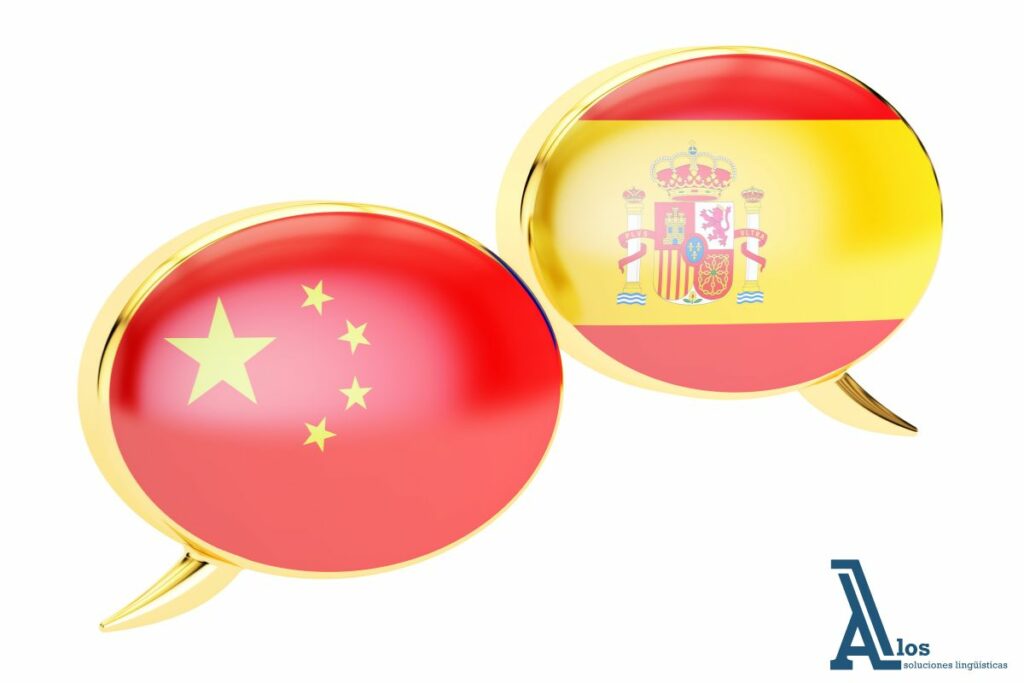
It may sound obvious, but a specialist translator has to be an expert in the languages involved in your operations. If you are trading between Spain and China, it is vital that the translator not only masters both languages but also understands how the logistics sector works in both countries.
Familiarity with international rules and regulations
The rules governing international trade and logistics vary by region and by type of goods. A specialist logistics translator has to keep up with these constant changes and be able to identify and carry regulations accurately from one country to another.
Would you like to know more about logistics terminology in particular? We invite you to read this article on key terms in international trade , which will help you understand technical translation in this sector.
How do you find the right translator for your company?
Assess their experience in international logistics
When choosing a translator, it is essential to review their previous work on similar projects. A translator with experience in international logistics will handle technical documents correctly and understand what an incorrect translation can lead to.
Check their credentials
It is also important to check a specialist translator’s credentials. Are they certified by a recognised body? Do they have academic training related to logistics or international trade? These points give you a clear picture of how professional the translator is.

Check their availability and flexibility
International trade often works to tight deadlines, so a translator’s availability is key. Make sure they can adapt to your schedule and are willing to work flexible hours when necessary.
Review references and reviews
Ask for references or look for reviews from other clients who have worked with the translator on logistics projects. That gives you first-hand insight into the quality of their work and whether it meets the standards your operations require.
Frequently asked questions
A translator who specialises in logistics has the technical knowledge needed to handle the terminology and the specific documents of the sector, which reduces the risk of errors that could affect international trade operations.
In international logistics, the documents that most often require translation are sales contracts, customs documents, shipping instructions, tracking reports, certificates of origin and commercial invoices.
Handling this volume of paperwork on paper can get complicated; a professional document scanner lets you digitise and organise everything so you can share it with your translation team without losing time.
You can review their portfolio and ask for references from previous logistics projects. Specialist translators also tend to have training in international trade or related fields, which is what allows them to understand the sector’s specific terminology.
Choosing the right translator for your international logistics needs is not only a question of language, but of understanding the context and the complexities of the industry. A specialist translator does more than translate words: they make sure messages and regulations are interpreted correctly, preventing errors that could affect your commercial operations. If you are looking for professionals to handle the translation of your logistics documents, get in touch with us and we will put together a tailored service for you.