





In international logistics, the accurate translation of documents is crucial to the success of an operation. A single error in reading a term or converting a piece of information can result in costly delays, non-compliance and financial losses. In this article we explain the most common errors in logistics translation and how to avoid them, so that your company can operate without setbacks and meet every international standard.
The main errors in logistics translation
1. Misreading technical terms
Logistics works with a large number of technical terms that do not always have a direct equivalent in another language. Words such as “incoterms” or “bill of lading” require a deep command of the sector if confusion is to be avoided. A common error is to translate these terms literally, which creates misunderstandings between the parties involved.
Example: In an international transport contract, translating “FOB” without considering the precise context can lead to disputes over the respective liabilities of the carrier and the buyer.
Solution: Translators specialising in logistics need more than language skills; they need technical knowledge of the sector. Only then can they be sure the terms are used correctly in context.
2. Incorrect translation of customs documents
Customs documents are essential to any international logistics operation. An error in translating forms such as commercial invoices, certificates of origin or export permits can result in shipments being held, delayed or even seized by the authorities.
Example: If a translator does not correctly understand the specific requirements for a “certificate of origin” and mistranslates the product details, the goods may be refused entry to a country.
Solution: Translators need experience with the customs requirements of each country, because a poor translation can carry serious legal and logistical consequences.

3. Inaccuracies in handling and storage instructions
Handling and storage instructions are fundamental to making sure goods arrive in perfect condition. An error in translating them can compromise the safety of the cargo and the efficiency of the whole logistics process.
Example: An error in translating a “fragile” label can mean the goods are handled without the necessary care and end up damaged.
Solution: You need translators who understand how much the wording of handling instructions matters, and what the implications of each word are in the logistics process.
4. Lack of cultural adaptation in the translation
International logistics is not only about translating words, but also about understanding the cultural differences that shape how information is read. International markets have their own customs and rules, and translators have to take them into account.
Example: Translating a document containing a commercial offer without allowing for the cultural specifics of a country can leave the message ineffective or even open to misinterpretation.
Solution: Making sure your translators are not only linguists but also familiar with the culture of the destination country improves the clarity and effectiveness of logistics communication.
5. Errors in localising addresses and specific details
Addresses, postcodes and identification numbers are critical elements in international logistics. An incorrect rendering of this data can send shipments to the wrong destination or cause unnecessary delays.
Example: Converting a European-format address (for example, “Calle Mayor, 5, Madrid, España”) into the US format, with the house number first and different comma conventions, can mean the parcel never reaches the right destination.
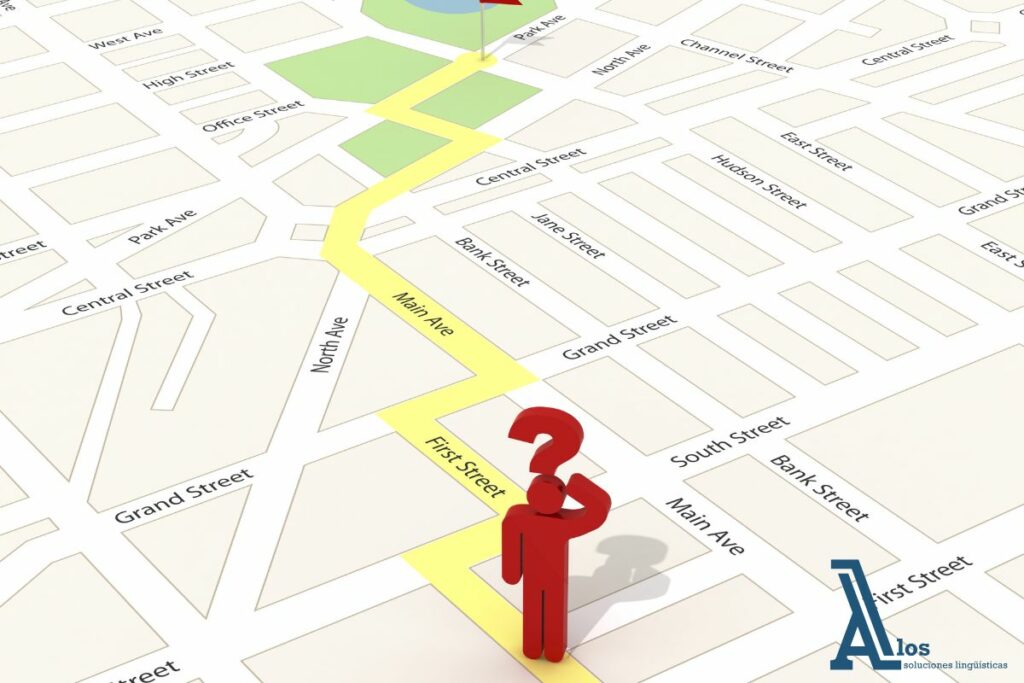
Solution: Localisation is an essential part of logistics translation, and the translator has to be familiar with the various address and coding systems used in the countries involved in the operation.
Frequently asked questions
Translation errors in logistics can cause delays, loss of goods, fines and legal problems. Misreading a contract or a customs term can carry serious financial consequences and damage commercial relationships across borders.
It is important to work with professional translators who have experience in the logistics sector and know the industry’s specific rules and terminology. Computer-assisted translation tools (CAT tools) are also advisable, as they guarantee terminological consistency across every document.
A translator specialising in logistics needs solid language training as well as specific knowledge of the sector, including customs procedures, technical transport terminology and international regulations. Practical experience in logistics is equally fundamental to guaranteeing accuracy.
Translation in international logistics is a complex process that goes beyond translating words: it means reading and adapting information correctly so that global operations succeed. Avoiding the most common errors can make the difference between a successful operation and an expensive one.
If you want to avoid these errors and make sure your logistics processes are efficient and secure, get in touch with ALOS. We offer specialist translation services for the logistics sector, tailored to your requirements. Contact us today and optimise your international logistics.