





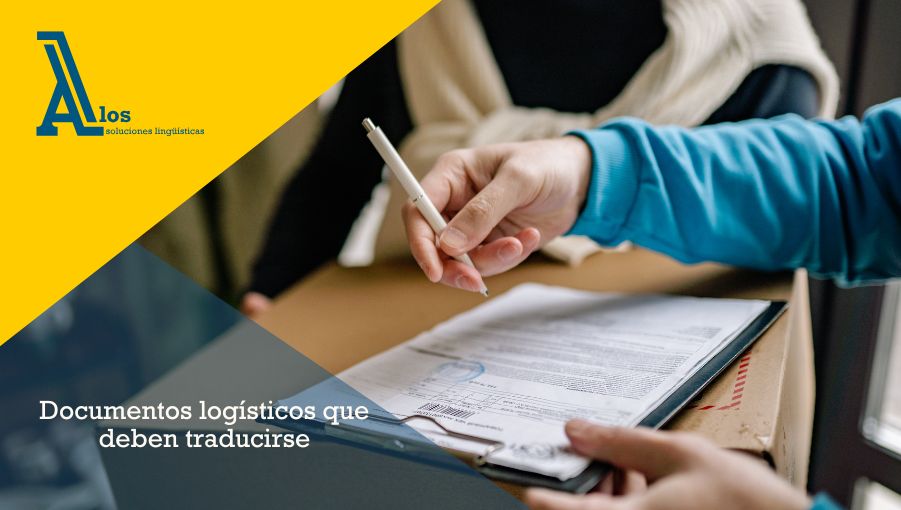
In logistics, reading and translating documents correctly is essential to keeping goods and services flowing across borders. An accurate translation of logistics documents not only ensures regulatory compliance, it also makes communication between companies and customers in different countries far easier. In this article we look at the main logistics documents that require professional translation, and why specialist expertise is crucial.
Key logistics documents that require translation
1. Commercial invoices
Commercial invoices are among the most common documents in any international transaction. They contain key details about the goods or services, the price, the payment terms and the delivery conditions. An inadequate or incorrect translation can lead to legal disputes, payment delays and complications at customs clearance. Invoices have to be translated precisely to avoid errors in the terms and conditions agreed between the parties.
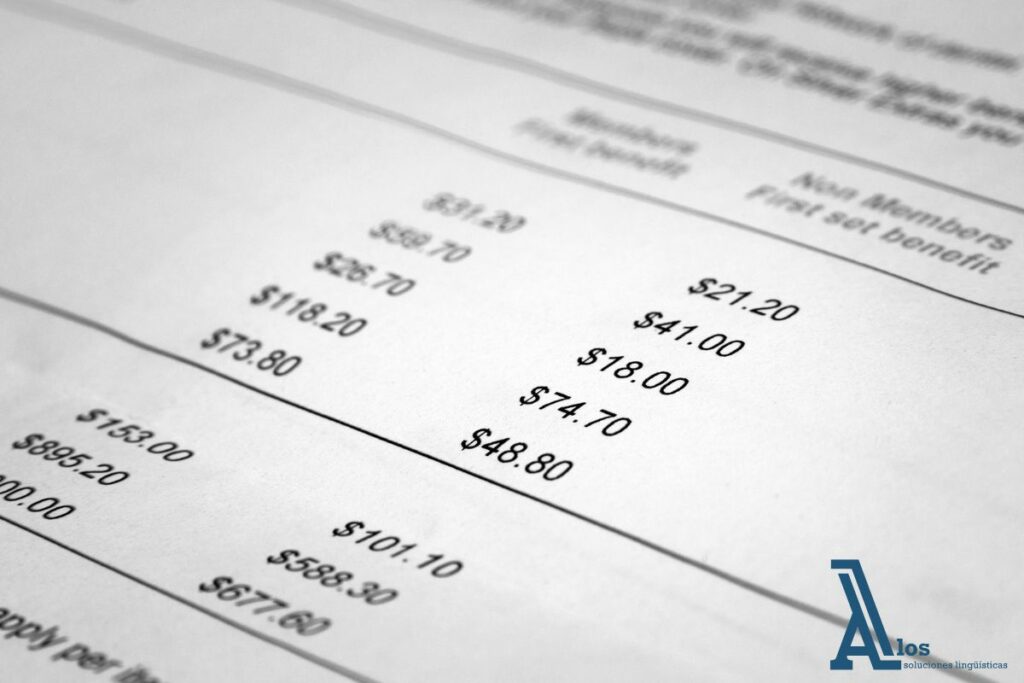
A real example: Suppose a Spanish company exports machinery to a customer in Germany. If the invoice contains errors in the product description or the agreed amount because of a poor translation, misunderstandings may delay payment or even delivery of the product.
2. Bill of Lading (B/L)
The bill of lading is one of the most important documents in international trade: it proves possession of the goods and sets out the terms of carriage. Customs authorities and financial institutions alike may require it in order to process payments or release the cargo. Its translation must be exact, because any inconsistency affects the legality of the transport process.
A real example: An exporter shipping goods to a customer in the United States has to present the bill of lading at customs. If the document contains ambiguous wording because of an incorrect translation, the result can be delays or even a refusal to release the goods.
3. Certificates of origin
The certificates of origin are documents certifying where products were manufactured. In international trade they are fundamental for establishing compliance with free trade agreements or for applying tariff benefits. An incorrect translation can mean losing those tariff benefits or even prevent the goods from reaching their destination.
A real example: A company exporting fruit to China has to present a certificate of origin proving that its products meet the requirements of the bilateral agreement between the two countries. If the translation is not precise, the customer may not receive the tariff benefits, which would hurt the company’s competitiveness.
4. Contracts of carriage
The contract of carriage sets out the terms and conditions under which the goods will be transported, including the liabilities of the carrier and the consignee as well as the delivery times. The document may be subject to international or local law, and an incorrect translation can give rise to misunderstandings or legal problems.
A real example: An importer in France signs a contract of carriage with a company in Brazil, but the translation contains errors in the delivery terms, which creates confusion about the arrival time of the goods. That can lead to penalties or reputational damage for both parties.
5. Customs documents
The customs documents include customs declarations and import and export permits, among others. They have to comply with each country’s strict rules and be translated correctly, otherwise the goods will be held at customs because of errors in the paperwork.
A real example: A Mexican company exporting electronic products to the United States has to present several customs documents. If they are not correctly translated, US customs may halt the import process, which means additional costs and delivery delays.

Why does a specialist translation service matter?
Working with a translation service that specialises in logistics documents is crucial to avoiding problems in international transactions. These documents have to be translated not only accurately but also in line with the legal and commercial context of the destination country. A professional translator with logistics experience can interpret technical terms and make sure every document is accepted by the relevant authorities.
At ALOS we provide translation services for companies operating in the logistics sector. If you want to guarantee the accuracy of your logistics documents, get in touch with us to find out more about our specialist services.
Frequently asked questions
Not every logistics document requires translation, but the most important ones do: invoices, bills of lading, certificates of origin and customs documents all need to be translated for a transaction to run smoothly.
A poor translation can cause payment errors, delivery delays and legal complications. Working with professional translators is the way to avoid these problems.
The best way to be sure is to commission a translation service that specialises in logistics. Translators with experience in this field know the technical terms and the rules that have to be applied.
In international trade, accuracy in the translation of logistics documents is essential to avoiding legal and operational problems. If your company needs to be sure that every logistics document is translated correctly, do not hesitate to contact us. At ALOS we have a team of translators with logistics expertise who will help you make your international transactions a success.