





Iceland is a destination that attracts more and more attention, not only for its striking landscapes and quality of life but also for the curiosities that make it unique in the world. This country, for example, has practically no mosquitoes, a phenomenon that appeals to many visitors and future residents who value living in a natural environment free of those insects. For anyone interested in settling there, understanding how the visa for Iceland works is essential in order to plan arrival and a legal stay in the country.
In recent years, demand for visas for Iceland has grown considerably, driven by work, academic and family opportunities. The government has updated the requirements and procedures for 2025, with the aim of making the process easier for those who meet the conditions while also guaranteeing orderly, safe integration. The range of visas available suits different profiles, from tourists and students to workers and entrepreneurs.
One emblematic case that has put life in Iceland in the spotlight is that of the international singer Björk. Although she has lived abroad for long periods, Björk has always kept a strong cultural and personal bond with Iceland, saying in several interviews that she wants to return and live there. This media interest has inspired many people to learn more about the procedures and requirements for obtaining a visa and residing legally on this fascinating island.
Why live in Iceland?
“Living in Iceland means living in harmony with the raw forces of nature — the volcanoes, glaciers and endless winter nights that shape our identity.”
—Alda Sigmundsdóttir, Icelandic voices: essays on Icelandic culture and nature (2018)
Iceland is not only famous for its striking landscapes; it also offers an exceptional quality of life that appeals to anyone looking for a balance between nature, wellbeing and modernity. Here are some reasons why living in Iceland can be a unique experience:
1. Quality of life and safety
Iceland is one of the safest countries in the world, with a low crime rate and a first-class public health system. That makes it an ideal place for families, professionals and people who value peace and wellbeing.
2. A connection with wild nature
Living in Iceland means direct access to incomparable natural landscapes: glaciers, active volcanoes, hot springs and majestic waterfalls. That proximity allows you to enjoy outdoor activities all year round, encouraging a healthy, active lifestyle.
3. An inclusive, progressive society
Icelandic society is known for its high level of equality, respect for human rights and cultural openness. Iceland is also a leader in technological innovation and renewable energy, creating an environment that favours personal and professional development.
4. Education and job opportunities
Iceland offers quality education and a dynamic labour market in sectors such as technology, sustainable tourism and clean energy. That makes it an attractive destination for students and professionals seeking growth and stability.
5. Air quality and a clean environment
Thanks to its low population density and its environmental policies, Iceland has some of the purest air quality on the planet, which contributes to a healthier life in harmony with its surroundings.
Types of visa for living in Iceland: complete guide for 2025
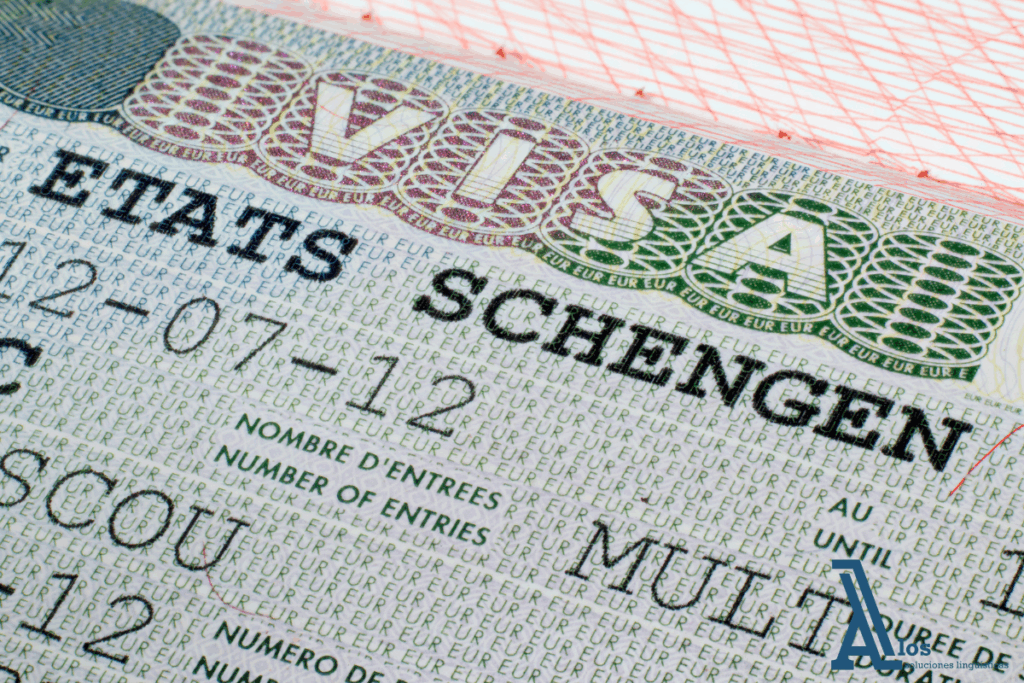
1. Short-stay visa (Schengen)
- Duration: Up to 90 days within a 180-day period.
- Purpose: Tourism, family visits or business.
- Requirements: Travel medical insurance, proof of sufficient funds, a return ticket or proof of onward travel.
- Limitations: It does not allow you to work or to reside long term.
2. Work visa
- Duration: More than 90 days.
- Types:
- General work visa: for professionals with an employment contract in Iceland.
- Seasonal work visa: for sectors such as agriculture, tourism or fishing.
- Requirements: A signed employment contract, evidence of professional qualifications, medical insurance, proof of accommodation and of financial means.
- Process: Application made in advance from your country of origin, with processing times of up to 90 days.
3. Study visa
- Duration: For the length of the course or study programme.
- Requirements: A letter of acceptance from an Icelandic educational institution, medical insurance, proof of funds for living costs and accommodation.
- Special feature: It allows part-time work (up to 20 hours a week).
4. Family reunification visa
- Purpose: For the immediate relatives of Icelandic residents or citizens.
- Requirements: Proof of the family relationship (marriage or birth certificates), documentation of the resident in Iceland, proof of financial means and accommodation.
- Duration: Variable, normally linked to the length of the relative’s residence.
5. Scientific research visa
- For: Researchers and academics who will be carrying out work in Iceland.
- Requirements: A letter of invitation or a contract with an Icelandic research institution, medical insurance and proof of financial means.
6. Visa for self-employed people and entrepreneurs
- Purpose: People who want to set up their own business in Iceland.
- Requirements: A viable business plan, sufficient capital, insurance and compliance with Icelandic regulations.
| Type of visa | Duration | Use / purpose | Main requirements | Allows work | Notes |
|---|---|---|---|---|---|
| Schengen visa (short stay) | Up to 90 days | Tourism, family visits, business | Valid passport, medical insurance, sufficient funds, return ticket | No | Does not allow long-term residence or work |
| Work visa | More than 90 days | Work in Iceland | Employment contract, qualifications, medical insurance, proof of accommodation | Yes | Covers general and seasonal work; application made in advance from the country of origin |
| Study visa | Length of the programme | Academic study | Letter of acceptance, funds for living costs, medical insurance, accommodation | Yes, up to 20 hours a week | Part-time work is possible during the course |
| Family reunification visa | Variable | Joining resident relatives | Documents proving the family relationship, the resident’s financial means, suitable accommodation | Depends on the case | Linked to the length of the relative’s residence permit |
| Scientific research visa | According to the length of the project | Research and academic projects | Letter of invitation or institutional contract, medical insurance, sufficient funds | Depends on the case | For researchers and scientists linked to Icelandic institutions |
| Visa for self-employed people and entrepreneurs | Variable | Setting up your own business or working self-employed | Viable business plan, sufficient capital, medical insurance, relevant experience | Yes | The business plan is assessed by the Icelandic authorities |
Would you like your official documents translated correctly?
Do you need help with the official translation of your documents in order to apply for an Icelandic visa? At Alos Soluciones Lingüísticas we have experts who guarantee accurate, certified translations so that your application is quick and trouble-free.
Five key points for applying for a visa in Iceland
1. Identify the right type of visa for your reason for staying
Before starting the procedure, it is essential to choose the right visa: tourism (Schengen visa), work, study, family reunification, research or entrepreneurship. Each type has different requirements and procedures that you must meet to improve your chances of approval.
2. Gather and correctly translate all the official paperwork
Documents such as your passport, contracts or certificates must be complete and officially translated into Icelandic or English. At Alos Soluciones Lingüísticas we help you with certified translations so that your application meets every requirement without difficulty.
3. Prove your financial means and valid medical insurance
You must show that you have sufficient funds to cover your stay and expenses in Iceland, as well as medical insurance with international cover. These are essential requirements for most visas and guarantee your safety and financial independence during your stay.
4. Apply for the visa well in advance
Processing times can vary between 15 and 90 days, depending on the type of visa and your country of origin. It is therefore advisable to submit your application at least three months before your planned travel date to avoid setbacks.
5. Register in Iceland and apply for a residence permit if required
If your visa is a long-stay one, you will have to register with the local police on arrival in Iceland and obtain a residence permit. This step is compulsory in order to formalise your legal stay and gain access to services such as health, education and work.
Your key partner for a trouble-free arrival in Iceland
Applying for a visa for Iceland can be a complex process, but you do not have to face it alone. At Alos Soluciones Lingüísticas we offer complete support that goes beyond the official translation of the documents essential to your immigration procedure. Our team makes sure that all your translations meet the necessary standards so that your application is accepted without setbacks.
We also know that settling into a new country means mastering the language and understanding its culture. That is why we also offer tailored language courses that will help you communicate with confidence and make it easier to fit in, both personally and professionally.
With Alos, you have an expert partner alongside you at every step, from paperwork to language training, so that your experience in Iceland is successful and rewarding.
FAQ – Frequently asked questions about visas for Iceland
The general or seasonal work visa, depending on your contract and your sector.
Yes, the study visa allows you to work up to 20 hours a week.
Up to 90 days within a 180-day period.
Yes, all official documents must be translated and certified.
You must register with the local police and apply for a residence permit.
Between 15 and 90 days, depending on the type of visa. It is advisable to apply three months in advance.
No, the tourist visa does not allow you to work in Iceland.
Your passport, contracts, letters and certificates, officially translated into Icelandic or English.