





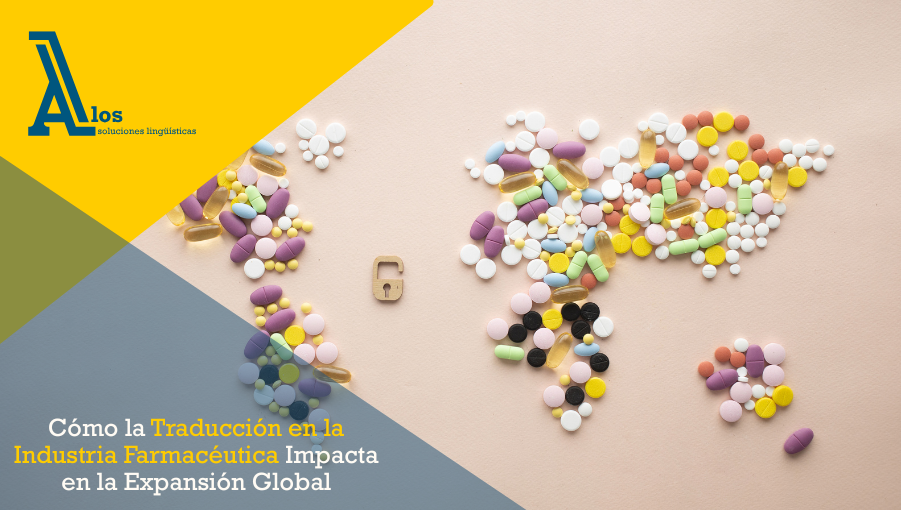
The pharmaceutical industry is one of the most globalised sectors in the world. In 2023 the global pharmaceutical market reached 1.6 trillion dollars, and it is expected to keep growing steadily over the coming years. With rising demand for medicines in emerging markets and ever tighter regulatory requirements, translation in the pharmaceutical industry has become a strategic necessity rather than a simple linguistic task.
India, known as the “pharmacy of the world”, exports more than 60% of the vaccines used worldwide. That reach would not be possible without translated labelling, safety data sheets and regulatory documentation in multiple languages. Each region demands compliance with its own rules, such as the FDA (USA), the EMA (European Union) or ANMAT (Argentina).
AI-assisted translation tools have also transformed the sector. Technologies such as MTPE (machine translation post-editing) and TMS (translation management systems) make it possible to handle large volumes of content quickly and consistently, without sacrificing the quality regulators demand. These innovations are redefining the standards of pharmaceutical translation and making global expansion faster and more accurate.
Technology and quality control in pharmaceutical translation
Digitisation has transformed pharmaceutical translation, above all through neural machine translation engines, translation management systems (TMS) and linguistic quality assurance (LQA) software. These technologies allow thousands of words to be processed faster and more consistently, which is crucial in a strictly regulated environment.
Machine translation post-editing (MTPE) is increasingly common: artificial intelligence produces the translation and a specialist translator reviews and corrects it to guarantee terminological accuracy, clarity and regulatory compliance. This combination of AI and human oversight speeds up the process without compromising quality, a balance that is indispensable in regulated environments.
Specialist providers have to meet international standards that guarantee documented processes, traceability, peer review and terminology validation. Quality is not negotiable in this sector: any error can lead to legal penalties, loss of licences or harm to patient health. That is why internal and external audits, approved glossaries and style guides are an essential part of a sound translation strategy.
Human expertise and continuing professional development
Technology makes the work easier, but the real value of pharmaceutical translation lies in the professionals who do it. Medical translators trained in pharmacology, biotechnology or health sciences are the ones who understand the technical language and the regulatory requirements of each country. Terms such as ADR, API or CRF leave no room for doubt or ambiguity.
The pharmaceutical sector is also in constant flux. Changes to EMAguidelines, updates from the FDA or new ICH rules call for continuous training of linguistic and project management staff. The best providers invest in courses on pharmacovigilance, clinical trials, health legislation and advanced use of CAT (computer-assisted translation) tools.
This multidisciplinary approach, combining scientific knowledge, linguistic precision and technological management, is what makes pharmaceutical translation genuinely effective and allows it to play its strategic role in taking medicines and treatments international.
Shorter time to market and a stronger competitive position
One of the most direct effects of good pharmaceutical translation is a shorter time to market, in other words the time needed to launch a product once development is complete. Accurately translated documentation delivered on schedule can significantly speed up review by regulators such as the FDA, the EMA or ANMAT.
In critical situations, such as developing a vaccine during a health emergency, every day counts. Being able to translate protocols, technical reports, IFUs and labelling clearly and in line with the rules is key to swift, effective approval. It also helps avoid submissions being returned because of linguistic errors, which can cause costly delays.
High-quality pharmaceutical translation also strengthens a company’s competitive position. It allows firms to present themselves as reliable partners to health authorities, international partners and distributors. That trust translates into more licensing opportunities, regulatory agreements and commercial expansion in both regulated and emerging markets.
Global access and connecting with the patient
Translation is not only a legal requirement; it is what gives people genuine access to medicines across the world. Patients, like doctors and pharmacists, need to fully understand the information they receive. Package leaflets, labels, consent forms, educational materials and digital applications must be in their language, culturally adapted and clearly written.
Good pharmaceutical translation improves treatment adherence, reduces errors caused by misunderstanding and increases confidence in the product. This matters all the more in regions where health literacy is lower, or where local languages call for more specialised adaptation.
In short, a well-executed language strategy does more than support business growth: it also serves an essential social and public health purpose, making sure treatments reach people, are understood and are used correctly anywhere in the world.
Our specialist translation services
At Alos Soluciones Lingüísticas we understand that accuracy, confidentiality and regulatory compliance are not optional in the pharmaceutical sector: they are essential. That is why we offer a complete set of language services designed specifically for the critical needs of pharmaceutical translation, from clinical research through to product marketing. Our services include:
- Translation of regulatory documentation: NDAs, CTAs, DMFs, ASMFs, IFUs, pharmacovigilance reports, analytical method validations and more.
- Clinical trial translation: informed consent forms, CRFs, study protocols, investigator brochures, adverse event reports (SAE/ADR).
- Localisation of medical and marketing material: labels, package leaflets, brochures for HCPs (healthcare professionals), multilingual campaigns, pharmaceutical websites.
- Patent and intellectual property translation: drafting and translation of pharmaceutical and biotechnology patent applications.
- Scientific review and technical validation: review by doctors, pharmaceutical chemists and regulatory experts to guarantee terminological accuracy.
- Services with quality assurance: processes certified to ISO 17100. Use of CAT tools, approved glossaries, bilingual review, LQA and traceability.
- End-to-end multilingual project management: coordination of large volumes across several languages with on-time delivery and ongoing support.
Frequently asked questions (FAQs)
It is the linguistic adaptation of technical, regulatory, clinical and commercial documents in the pharmaceutical sector, ensuring terminological accuracy, legal compliance and cultural fit for each target market.
NDAs, CTAs, IFUs, SOPs, CRFs, labels, package leaflets, pharmacovigilance reports, clinical trial protocols, patent documentation and medical marketing materials.
Because a translation error can trigger regulatory penalties, put patient health at risk or delay a medicine’s launch. Pharmaceutical translation is essential to guarantee safety, efficacy and regulatory compliance.
We use technologies such as neural machine translation and MTPE (post-editing), but always under the review of specialist human experts. Combining technology with medical knowledge guarantees both quality and speed.
Our services comply with the ISO 17100 standard for professional translation. We also apply LQA (language quality assurance), technical review and medical validation.
Yes. We manage multilingual projects in more than 25 languages, coordinating simultaneous translations to meet global regulatory deadlines and international launches.
A specialist translator is trained in health sciences or has proven experience in the industry. They are fluent in acronyms such as ADR, API and GCP and handle specific glossaries with absolute precision.
It depends on volume and language, but a 10,000-word pharmaceutical translation can be delivered in five to ten working days with quality control included. Ask us, with no obligation.
We offer updating and regulatory review services. If EMA, FDA or ICH guidelines change, we adapt the content to keep it aligned with the new requirements.