





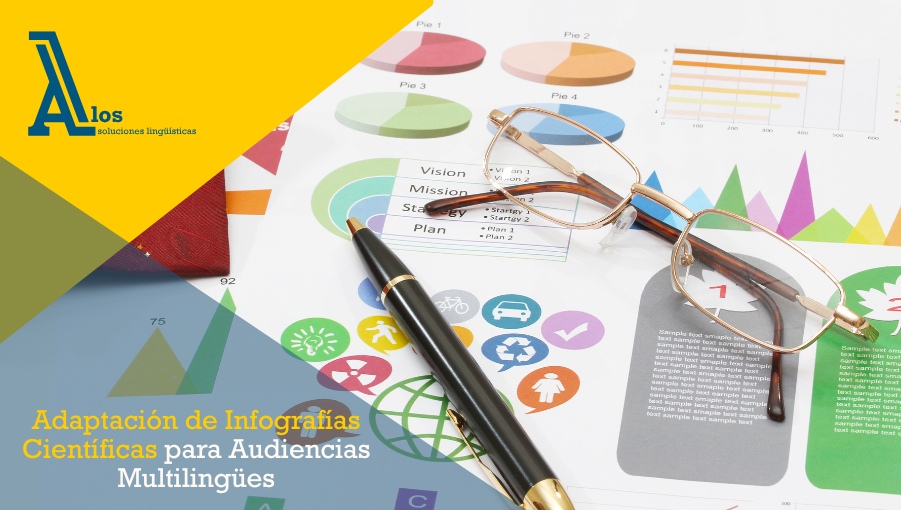
Adapting multilingual scientific infographics is a fast-growing discipline within visual communication and science outreach. That is no accident: people retain 65% of visual information three days after seeing it, compared with 10% of text-only content, according to figures from Visme. In a globalised world, adapting scientific visualisations to multiple languages and cultural contexts is essential if communication is to be effective and equitable.
Adapting multilingual scientific infographics does not just mean translating text; it also means weighing cultural, symbolic and design factors that vary from one audience to another. A striking example is a WHO infographic on COVID-19, which was adapted into more than 30 languages, including regional dialects, and shared millions of times thanks to its clarity and cultural fit source.
Beyond the text, colour, iconography and visual layout play a decisive part. Red, for instance, can signal danger in Europe but celebration in China, which can turn the message on its head if it is not adapted properly. Hence the importance of applying localisation (L10n) and transcreation principles when designing these pieces. In this article we look at how to do it effectively.
What it means to adapt a scientific infographic for multilingual audiences
Adapting a scientific infographic for multilingual audiences goes well beyond simply translating the text. It is a process that combines design, visual communication, localisation (L10n) and cultural understanding so that the message is understood correctly across different linguistic and cultural contexts.
Unlike a literal translation, adaptation takes account of appropriate colours, relevant icons, reading patterns and the visual conventions of each culture. The infographic has to keep its main purpose: simplifying complex scientific information so that non-specialists can grasp it, without losing rigour or meaning.
The concept of transcreation is central here. It combines translation with creativity, allowing content and form to be adjusted so that they resonate emotionally and cognitively with each audience. A medical pictogram that works in Europe, for example, may not be understood in Asia if the visual elements are culturally unfamiliar.
Adapting also means reviewing the reading order, particularly in bidirectional languages such as Arabic or Hebrew, and choosing a typeface that includes special or Arabic characters. In short, it is a multidisciplinary task that calls for collaboration between designers, specialist translators, accessibility experts and editors.
Essential abbreviations and their role in scientific infographics
Scientific infographics tend to include a set of abbreviations which, while they save space and improve legibility, need careful handling in multilingual contexts. Here are ten of the most common and relevant abbreviations in this kind of content, together with what they mean for adaptation.
- L10n (Localisation): The process of cultural and linguistic adaptation. Central to multilingual infographics.
- UX (User Experience): Shapes how visual content is navigated and understood.
- ID (Visual identity): Keeping consistency between versions.
- AI (Artificial Intelligence): Used to automate translation and visual content generation.
- NLP (Natural Language Processing): Automated natural language processing to improve text quality.
- SVG (Scalable Vector Graphics): The ideal format for editing and translating text inside images.
- CMS (Content Management System): Integrating infographics into systems such as WordPress.
- API (Application Programming Interface): Connectivity between translation and design platforms.
- PDF (Portable Document Format): Common for distribution, but less editable for translation.
- QA (Quality Assurance): An essential process for checking terminological and visual consistency.
When adapting infographics it is vital to review these abbreviations to make sure every audience understands them, or that they are properly explained where necessary.
Common challenges in adapting scientific infographics
Adapting scientific infographics for multilingual audiences means facing a number of technical and cultural challenges. One of the main ones is text directionality: languages such as Arabic and Hebrew are read from right to left, which forces a complete redesign of the visual layout to maintain coherence and usability (UX).
Another regular challenge is the length of the translated text. German sentences, for instance, tend to be significantly longer than Spanish or English ones. That affects how elements are distributed and may require resizing graphics, changing the visual hierarchy and even switching typeface (ID).
Symbols and iconography can also cause misunderstandings if they are not culturally adapted. The same pictogram can mean different things depending on the region. It is therefore advisable to consult local experts or run comprehension tests with native users.
Finally, QA (Quality Assurance) is often neglected. Checking that every translated text is faithful, that the abbreviations are correctly applied and that the visual message works as a whole is a critical phase for the success of the project.
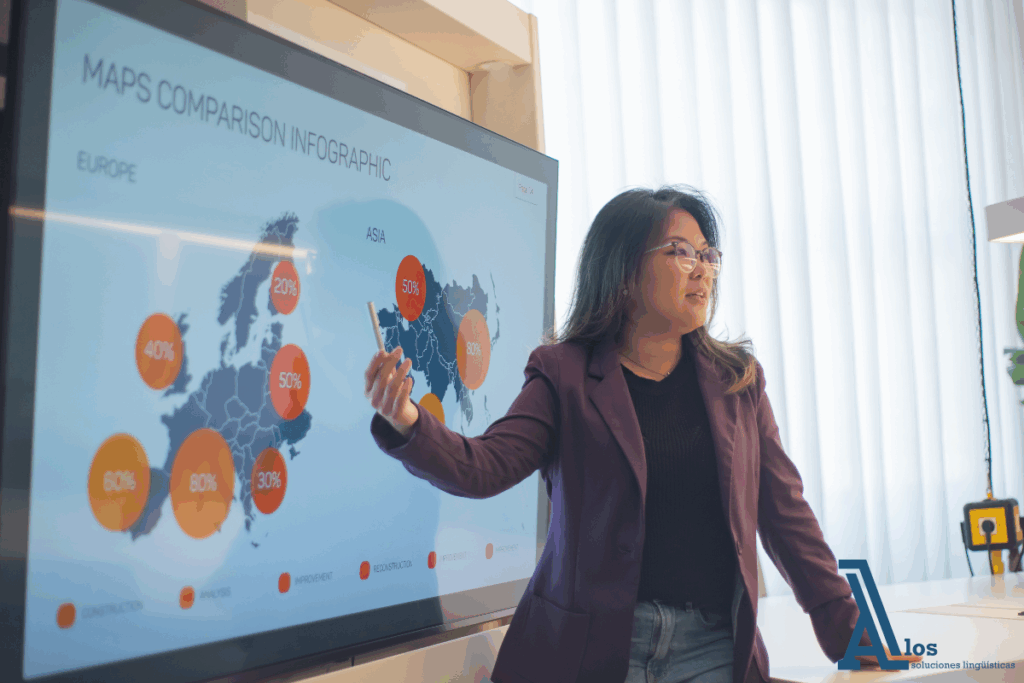
Adapting multilingual scientific infographics is a fast-growing discipline within visual communication and science outreach. That is no accident: people retain 65% of visual information three days after seeing it, compared with 10% of text-only content, according to figures from Visme. In a globalised world, adapting scientific visualisations to multiple languages and cultural contexts is essential if communication is to be effective and equitable.
Adapting multilingual scientific infographics does not just mean translating text; it also means weighing cultural, symbolic and design factors that vary from one audience to another. A striking example is a WHO infographic on COVID-19, which was adapted into more than 30 languages, including regional dialects, and shared millions of times thanks to its clarity and cultural fit source.
Beyond the text, colour, iconography and visual layout play a decisive part. Red, for instance, can signal danger in Europe but celebration in China, which can turn the message on its head if it is not adapted properly. Hence the importance of applying localisation (L10n) and transcreation principles when designing these pieces. In this article we look at how to do it effectively.
What it means to adapt a scientific infographic for multilingual audiences
Adapting a scientific infographic for multilingual audiences goes well beyond simply translating the text. It is a process that combines design, visual communication, localisation (L10n) and cultural understanding so that the message is understood correctly across different linguistic and cultural contexts.
Unlike a literal translation, adaptation takes account of appropriate colours, relevant icons, reading patterns and the visual conventions of each culture. The infographic has to keep its main purpose: simplifying complex scientific information so that non-specialists can grasp it, without losing rigour or meaning.
The concept of transcreation is central here. It combines translation with creativity, allowing content and form to be adjusted so that they resonate emotionally and cognitively with each audience. A medical pictogram that works in Europe, for example, may not be understood in Asia if the visual elements are culturally unfamiliar.
Adapting also means reviewing the reading order, particularly in bidirectional languages such as Arabic or Hebrew, and choosing a typeface that includes special or Arabic characters. In short, it is a multidisciplinary task that calls for collaboration between designers, specialist translators, accessibility experts and editors.
Essential abbreviations and their role in scientific infographics
Scientific infographics tend to include a set of abbreviations which, while they save space and improve legibility, need careful handling in multilingual contexts. Here are ten of the most common and relevant abbreviations in this kind of content, together with what they mean for adaptation.
- L10n (Localisation): The process of cultural and linguistic adaptation. Central to multilingual infographics.
- UX (User Experience): Shapes how visual content is navigated and understood.
- ID (Visual identity): Keeping consistency between versions.
- AI (Artificial Intelligence): Used to automate translation and visual content generation.
- NLP (Natural Language Processing): Automated natural language processing to improve text quality.
- SVG (Scalable Vector Graphics): The ideal format for editing and translating text inside images.
- CMS (Content Management System): Integrating infographics into systems such as WordPress.
- API (Application Programming Interface): Connectivity between translation and design platforms.
- PDF (Portable Document Format): Common for distribution, but less editable for translation.
- QA (Quality Assurance): An essential process for checking terminological and visual consistency.
When adapting infographics it is vital to review these abbreviations to make sure every audience understands them, or that they are properly explained where necessary.
Common challenges in adapting scientific infographics
Adapting scientific infographics for multilingual audiences means facing a number of technical and cultural challenges. One of the main ones is text directionality: languages such as Arabic and Hebrew are read from right to left, which forces a complete redesign of the visual layout to maintain coherence and usability (UX).
Another regular challenge is the length of the translated text. German sentences, for instance, tend to be significantly longer than Spanish or English ones. That affects how elements are distributed and may require resizing graphics, changing the visual hierarchy and even switching typeface (ID).
Symbols and iconography can also cause misunderstandings if they are not culturally adapted. The same pictogram can mean different things depending on the region. It is therefore advisable to consult local experts or run comprehension tests with native users.
Finally, QA (Quality Assurance) is often neglected. Checking that every translated text is faithful, that the abbreviations are correctly applied and that the visual message works as a whole is a critical phase for the success of the project. For more information, visit our website:
Frequently Asked Questions (FAQs)
A multidisciplinary team of specialist translators, designers and cultural experts, plus the right tools.
No. Translating converts text. Adapting involves visual redesign, cultural review and contextualising the message.
We offer specialist scientific translation, cultural localisation (L10n), technical review and multilingual design services.
We assign a project manager who centralises communication and coordinates translators, designers and QA reviewers.
We have spent more than 15 years working with universities, research centres and NGOs on the adaptation of technical and scientific content.
Yes, we run tailored language courses focused on science communication for researchers, teachers and science writers.