






Travelling abroad with your pet can be a rewarding experience, but it calls for careful planning if you are to meet international rules and safeguard your companion’s welfare. Every country has its own regulations on bringing animals in, and it is essential to know the specific requirements, including whether official translations of certain documents are needed.
Although there are no exact figures on how many pets travel abroad from Spain each year, the trend is clearly growing. According to a study by the Spanish pet food manufacturers’ association ANFAAC, between 2019 and 2021 the number of dogs kept as pets in Spain rose by 38%, from 6.7 to 9.3 million, while the number of cats grew by 62%, from 3.7 to almost 6 million, according to Statista. This growth in the pet population suggests that more and more owners are considering including their animals in their international travel plans.
Globalisation has made international travel easier, and more and more people want to share those experiences with their pets. Policies on moving animals vary significantly from country to country, however. In Switzerland, for example, animal protection law is particularly strict. Certain animals regarded as “social”, such as guinea pigs and rabbits, must live with others of their own species to avoid loneliness, and dogs require a microchip, registration in a national database and payment of an annual tax, according to the sources consulted. These differences underline how important it is to do your research before setting off on an international trip with your pet.
General requirements for taking pets abroad
Although the rules vary by destination, there are common requirements that most countries apply:
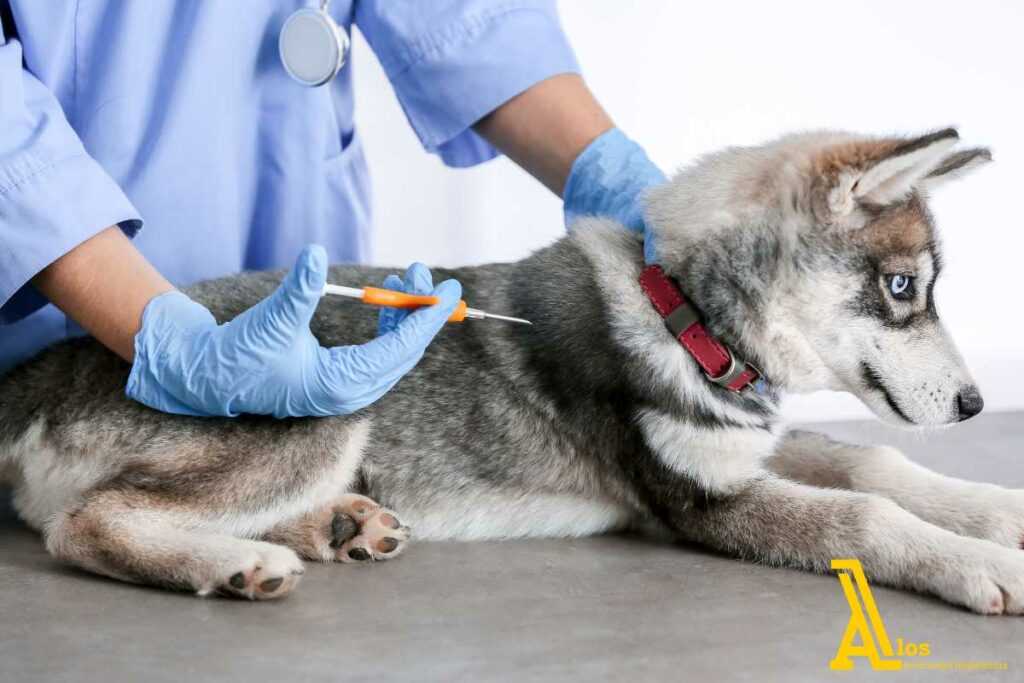
- Identification microchip. A microchip that complies with international standards is essential for identifying your pet.
- Rabies vaccination. Most countries require a valid rabies vaccination, administered at least 21 days before travel.
- Health certificate. A document issued by an authorised vet certifying that your pet is in good health and fit to travel.
- Antiparasitic treatments. Some countries require specific treatments against internal and external parasites before entry.
Specific documents and official translations
As well as the documents above, certain countries ask for additional paperwork that sometimes has to be translated and legalised:

- Import certificates. Some destinations require special permits to import animals, and these may need official translations.
- Sworn declarations. Documents in which the owner declares the pet’s state of health and origin, which may require a certified translation.
- Serological tests. In specific cases, rabies antibody testing is required, and the results must be presented in the official language of the destination country.
It is crucial to check whether the country you are travelling to requires these documents to be produced by a sworn translator and, in some cases, apostilled or legalised in order to be legally valid.
Entry procedures by country
Below are some examples of specific requirements in different countries:
- European Union. As well as the microchip and rabies vaccination, an EU pet passport is required, containing details of the animal’s identity and medical history.
- United Kingdom. In addition to the EU requirements, tapeworm treatment administered between 24 and 120 hours before entry is compulsory.
- Australia and New Zealand. These countries have strict quarantine policies. Pets must undergo multiple tests and, in some cases, serve quarantine periods on arrival.
- Japan. You must notify the Japanese authorities at least 40 days before arrival and present vaccination certificates and serological test results.
Additional considerations
- Transport. Look into the policies of the airline or transport operator you will be using, as they may have specific requirements for carrying pets.
- Climate and environmental conditions. Consider the climate in the destination country and make sure it suits your pet.
- Local regulations. Some countries have specific laws on dog breeds regarded as dangerous, or restrictions on certain species.
Travelling abroad with your pet is an adventure that strengthens the bond between you and your animal companion. It is essential, however, to be well informed and prepared to meet all the regulations and requirements of the destination country. Missing paperwork or official translations can result in delays, fines or even your pet being refused entry.
For more on preparing to travel or move abroad, take a look at our articles on when you need a criminal record certificate to live outside Spain, or our step-by-step guide to having your university degree recognised abroad.
Remember that some countries require translated and legalised documents before pets are allowed in. If you need help with sworn translations or other legal formalities, do not hesitate to get in touch.
Frequently asked questions about taking pets abroad
Within the European Union, a pet passport certifying identity and state of health is required.
A sworn translation is an official translation produced by an authorised translator. It is needed when documents have to be legally valid in another country. If you are not sure whether what you need is a sworn translation, get in touch with us and we will advise you.
Vaccination must take place at least 21 days before travel, although this period may vary depending on the destination country.
It is advisable to postpone the trip until all the requirements are met, or to consider leaving your pet in the care of someone you trust.
It depends on the airline and the size of the pet. Small animals (under 8 kg including the carrier) can generally travel in the cabin, while larger ones must go in the hold. It is best to check with the airline in advance.
The cost varies by airline and type of carriage (cabin or hold). It can range from 30 to 300 euros on international flights.
Many countries and airlines restrict the number of pets that can be carried per person. It is important to check the specific rules of your destination and your chosen airline.
In most countries a microchip is compulsory for identifying a pet. If yours does not have one, you could run into problems on entry and your pet may even be refused admission.
Countries such as Australia and New Zealand have quarantine periods of up to 10 days, while others may require longer if the paperwork or vaccinations are not in order.
In some countries, yes. If your pet’s documents have to be presented in the official language of the destination country, they may need a sworn translation and, in some cases, an apostille or legalisation. You can find out more about our sworn translation service for further information.
If you have any further questions about the formalities and requirements for taking your pet abroad, do leave us a comment or get in touch directly. Safe travels to you and your furry companion! 🚀🐾