





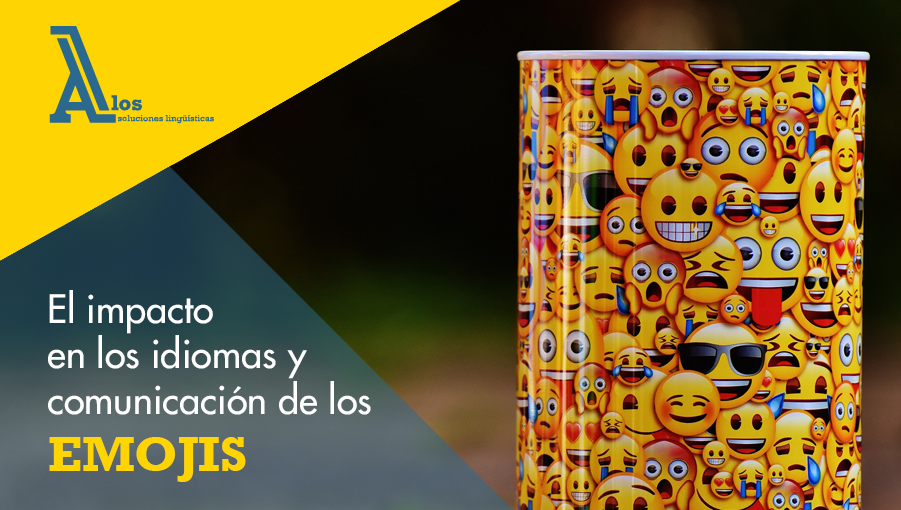
In the digital age, emojis have become a fundamental part of our everyday communication.
These small, colourful images not only add a touch of fun to our messages, they also play an important part in intercultural communication. How is it that these tiny symbols can influence the way we understand one another across cultures? At ALOS we are going to look at this phenomenon in detail.
The origin
Emojis have come a long way since their humble beginnings in Japan in the late 1990s. Inspired by the emoticons of the early days of the internet, emojis are built on the idea of conveying emotions and feelings through visual symbols. The arrival of smartphones meant they became a permanent fixture in everyday communication, after years of widespread use thanks to instant messaging platforms on the internet.
The universality of emojis… and the danger of misreading them
One of the main reasons emojis work so well in intercultural communication is their visual nature and their ability to convey emotions quickly and clearly. A study carried out by the University of Nottingham found that emojis can help make up for the absence of body language and tone of voice in digital conversations, which makes it easier for people from different cultures and languages to understand one another. That said, although emojis are universally recognised, how they are interpreted can vary from culture to culture. For example, the folded hands emoji 🙏, commonly read as a sign of gratitude or respect in many Western cultures, can mean something completely different in Japanese culture, where it is used as a gesture of apology or entreaty. The study also warns that even among people who share a similar sociocultural background, interpretations vary, since there is no universal agreement on the literal meaning of each image. What for one person signals a high level of delight may be understood as something far more measured by someone else.
Their use in the business world
Emojis are also starting to play an important part in business and professional settings. According to a report by Adobe, 61% of customers are more likely to engage with a brand that uses emojis in its communication. What is more, the strategic use of emojis in marketing campaigns has been shown to increase engagement rates and message retention. We tend to pay more attention to communication that feels close and uses the same codes we do, so emojis make a brand feel “nearer”.
Risks and challenges
Although these symbols can be a powerful tool for intercultural communication, they also bring certain risks and challenges. For example, misusing certain emojis or misreading their meaning can lead to misunderstandings and conflict. It is important to keep the cultural and social context in mind when using emojis to communicate with people from different cultures.
Emojis are here to stay, but handle with care
In short, emojis play a crucial part in intercultural communication by providing a quick and universal way of conveying emotions and feelings. Even so, it is important to be aware of cultural differences in how emojis are interpreted and to use them appropriately in different contexts. With proper understanding and careful use, emojis can be an invaluable tool for building bridges between cultures and helping mutual understanding in today’s digital world.