





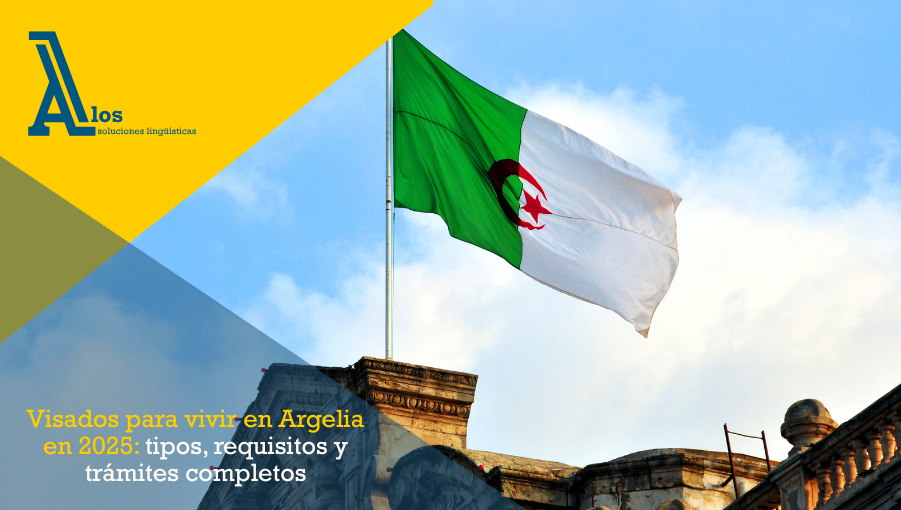
Algeria, the largest country in Africa, is attracting more and more attention as a destination for people looking to live or work in North Africa. To do so legally, however, it is essential to understand the process of obtaining the Algeria visa, which means knowing the different types of visa available, their requirements and the procedures involved. This article will guide you so that your visa application succeeds and you can enjoy everything Algeria has to offer.
Algerian history and culture are also a great draw for many foreigners. The well-known French actor Vincent Cassel, for example, has chosen to spend time in Algeria to reconnect with his family roots, which reflects the growing international interest in the country and its cultural diversity. His experience shows how Algeria can be not only a tourist destination but also a place to live and develop personal and professional projects.
To make your move easier, in this article we look in detail at the types of visa for Algeria in 2025, the documents required and the steps for applying correctly. That way you can plan your stay without surprises and make the most of this unique experience.
“Algeria is a country of contrasts, where the Sahara desert meets the Mediterranean, and ancient history lives alongside modernity.”
—Jean Déjeux, historian and expert in African literature, in his book “Literatura y cultura en Argelia” (Literature and culture in Algeria) (1993).
Seven reasons to visit Algeria
1. Historical and cultural wealth
Algeria has impressive archaeological sites, such as the Roman ruins of Timgad and Djemila, recognised by UNESCO. Its ancient cities, like the medina of Algiers, show a unique mix of Berber, Arab and French influences that enrich the cultural experience.
2. Spectacular natural landscapes
From the dunes of the Sahara to the Atlas mountains, Algeria offers a wide variety of natural landscapes. The desert is an ideal destination for anyone seeking adventures such as camel rides and nights under an incomparable starry sky.
3. An unspoilt Mediterranean coast
With more than 1,200 km of coastline, Algeria has uncrowded beaches and coastal towns such as Béjaïa and Oran, perfect for enjoying the sea, the quiet and a cuisine based on fresh seafood.
4. Traditional cuisine
Algerian food blends Mediterranean and North African flavours. Dishes such as couscous, tagines and traditional sweets offer a rich and varied culinary experience that reflects local culture.
5. Local hospitality
The kindness and warmth of its people make visitors feel welcome. Algerian hospitality is known for being genuine and close, which makes the experience even more rewarding.
6. Adventure and hiking routes
The Hoggar mountains and the Tassili n’Ajjer national park offer ideal routes for hiking and exploring unique landscapes, including rock formations and cave paintings.
7. Affordable costs
Algeria is an affordable destination, with reasonable prices for accommodation, food and transport, which allows you to enjoy an authentic experience without spending too much.
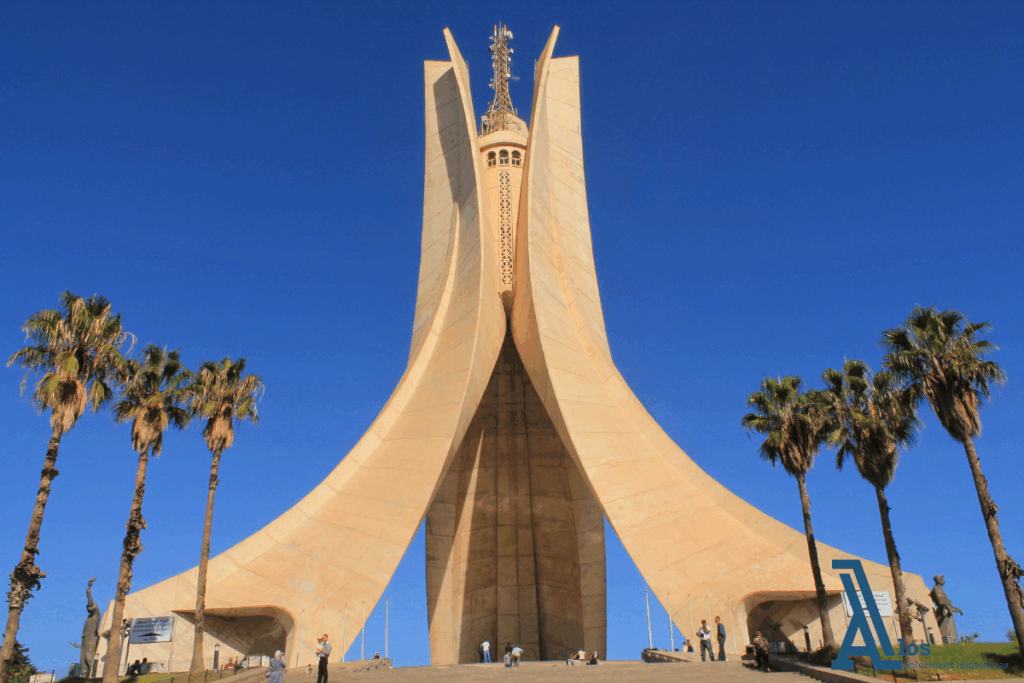
Types of visa for living in Algeria in 2025: description and requirements
When planning to live in Algeria, it is essential to choose the right type of visa for the purpose of your stay. Each visa has specific requirements, a set duration and particular procedures that must be met to guarantee a legal, trouble-free stay.VisaHQ)
1. Tourist visa
This is the most common visa for short stays, generally between 30 and 90 days. It is intended for people visiting Algeria for tourism, family visits or cultural reasons. It does not allow work or long periods of study. To apply you need a valid passport, an application form, recent photographs, international medical insurance and proof of accommodation or a letter of invitation.
2. Business visa
Designed for business owners, investors or professionals who need to carry out commercial activities or attend meetings or events in Algeria. The duration is usually similar to the tourist visa, but it allows multiple entries. Applicants must provide official invitations from Algerian companies, as well as documents proving their professional activity. This visa does not authorise permanent work, only business-related activities.
3. Work visa
This visa is required for anyone who has obtained an employment contract with an Algerian company. It requires a prior work permit issued by Algeria’s Ministry of Labour. You must also provide an employment contract, a valid passport, an application form, a medical certificate and medical insurance. The duration can vary but is generally one year or more, with the possibility of renewal. It allows you to live and work legally in the country.
4. Student visa
Intended for people accepted by Algerian educational institutions for higher studies or specific courses. To obtain it you must provide the official letter of admission, a passport, an application form, a medical certificate and medical insurance. This visa is valid for the length of the academic programme and can be renewed if you continue studying.
5. Family reunification visa
This type of visa allows the immediate relatives of legal residents or Algerian citizens (spouse, children) to live in Algeria. You need to prove the family relationship with official documents, as well as the sponsor’s financial means and place of residence in Algeria. Applicants must provide certificates of kinship, a valid passport, an application form and medical insurance.
6. Transit visa
For people who are only stopping over in Algeria before travelling on to another country. Its validity is very limited, generally 48 to 72 hours, and it does not allow you to leave the airport transit area.
Five key points for applying for a visa in Algeria in 2025
1. Identify the type of visa you need correctly
Algeria offers different types of visa, from tourist visas to work or study visas. Each has specific conditions and required documents, so it is essential to choose the right visa for the purpose of your stay in order to avoid refusals or delays.
2. Prepare all the paperwork in advance
The documents required include a passport valid for at least six months, official forms, recent photographs, letters of invitation or contracts depending on the type of visa, a medical certificate and travel insurance. Many documents also have to be translated into French or Arabic and duly legalised.
3. Apply at the relevant embassy or consulate
Applications must be submitted at the Algerian consulate or embassy in your country of residence. Response times can vary between 10 and 30 working days, so it is advisable to start the process well in advance.
4. Consider the duration and the possibility of renewal
Tourist visas usually have a limited duration of 30 to 90 days, while work or residence visas can be valid for one year or more. It is important to know the deadlines and the requirements for renewing or extending your visa before it expires.
5. Official translation and legalisation of documents is essential
For documents to be accepted by the Algerian authorities, they must be officially translated into French or Arabic. Translations must be certified and, in many cases, the original documents must be legalised or apostilled in line with international rules.
We make your stay in Algeria easier with certified translations
At Alos Soluciones Lingüísticas we translate your official documents into French and Arabic, the key languages for your visa and residence procedures in Algeria. We guarantee certified translations that make your move simpler and faster, with no complications.
General requirements and procedures for visas in Algeria
Applying for an Algerian visa means following a series of steps and submitting clear, correct documentation. The first step is to define the type of visa you need according to the purpose of your trip or stay. For a work visa, for example, you must have an employment contract signed by an Algerian company and a work permit issued by Algeria’s Ministry of Labour.
As for the documents, it is essential to prepare a passport valid for at least six months, official forms, recent photographs and translated supporting letters. Official translation plays an important part here, since documents in Spanish or English are not usually accepted without a translation into French or Arabic. Embassies and consulates generally require translations to be sworn and certified.
Finally, the application process should be started in good time, as responses can take up to a month and in some cases a personal interview is required. Valid medical insurance for Algeria is also a non-negotiable requirement for most visa categories.
Drive your project in Algeria forward with Alos Soluciones Lingüísticas
Obtaining a visa to live in Algeria can be a complex process, especially when it comes to preparing the right paperwork and overcoming language barriers. At Alos Soluciones Lingüísticas we have the experience and professionalism needed to translate your official documents into French and Arabic, the essential languages for immigration procedures in Algeria. Our certified translations guarantee that you meet every legal requirement, avoiding delays and complications.
We also know that a command of the language is key to settling in and making the most of your stay or project in Algeria. That is why we offer tailored language courses for companies and individuals, designed to improve your communication skills in French, Arabic and other languages, helping you adapt and succeed professionally.
Trust Alos Soluciones Lingüísticas to accompany you at every step, from document translation to the language training you need to open doors in Algeria and beyond.
FAQ – Frequently asked questions about visas for Algeria
It usually takes between 10 and 30 days, depending on the type of visa and the consulate where you apply.
An employment contract, a work permit issued by the Algerian authorities, a valid passport, an application form and medical insurance.
Yes, some types of visa such as work or residence visas can be renewed, but you must start the procedure before they expire.
Yes, most documents must be officially translated into French or Arabic and legalised.
Yes, all visas must be applied for at the consulate or embassy in the country where you live.