





To avoid delays in immigration procedures caused by expired documents, you must submit documentation that is in date and check that it meets the requirements of the procedure at the time of the application. How do you avoid delays in immigration procedures caused by expired documents? By checking validity dates, timing the sworn translation around the original documentation and following the correct order of legalisation where necessary. Read on…
Submitting expired documentation is one of the most common mistakes in immigration procedures in Spain, and also one of the biggest causes of delay. Many applications are held up simply because dates or formal requirements were not checked. In this article you will learn how to anticipate these problems, which documents to review most carefully and how translation can directly affect the validity of your file.
Why expired documents cause delays
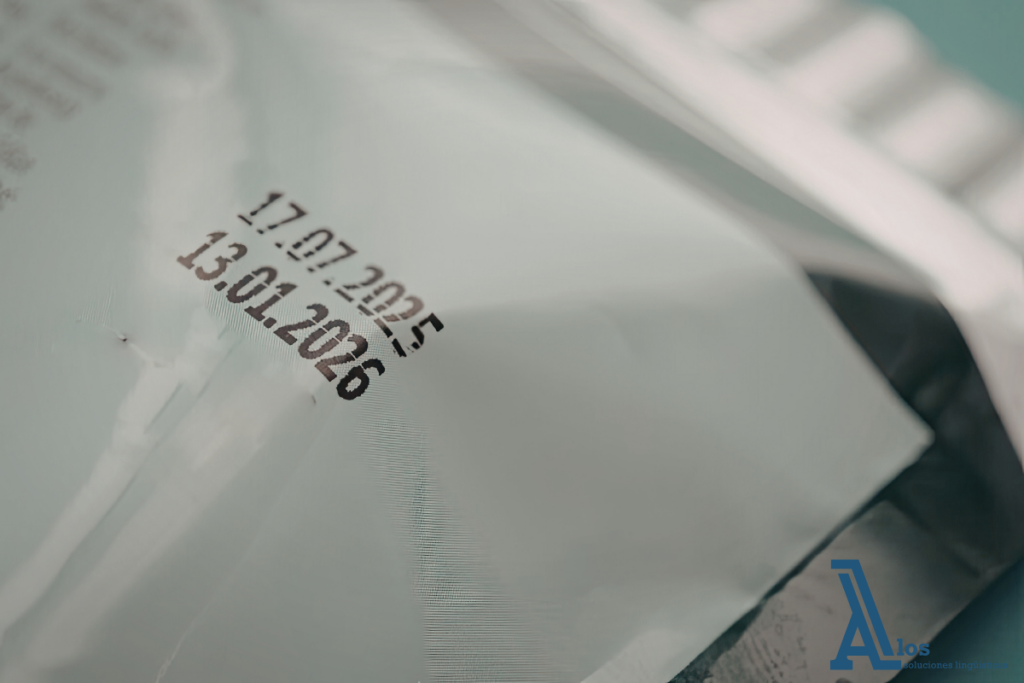
In any immigration procedure, the authorities require documentation that is up to date and valid at the time of submission. That applies not only to passports or official certificates, but also to translated or legalised documents.
A frequent case is that of criminal record or birth certificates. Even if the original document is correct, it will be rejected if it has passed the required period of validity. That means starting the process again from the country of origin, which can mean weeks or even months of waiting.
What is more, if the documentation is in another language, the sworn translation must also correspond to a valid document. Having translated it correctly is not enough: the content must still be valid.
Which documents you should always check before submitting
Not all documents have the same impact, but some are particularly sensitive in immigration procedures.
Official certificates
Certificates such as criminal records, birth certificates or marriage certificates usually have a limited period of validity. It is important to check the date of issue and make sure they are within the permitted period.
Passport
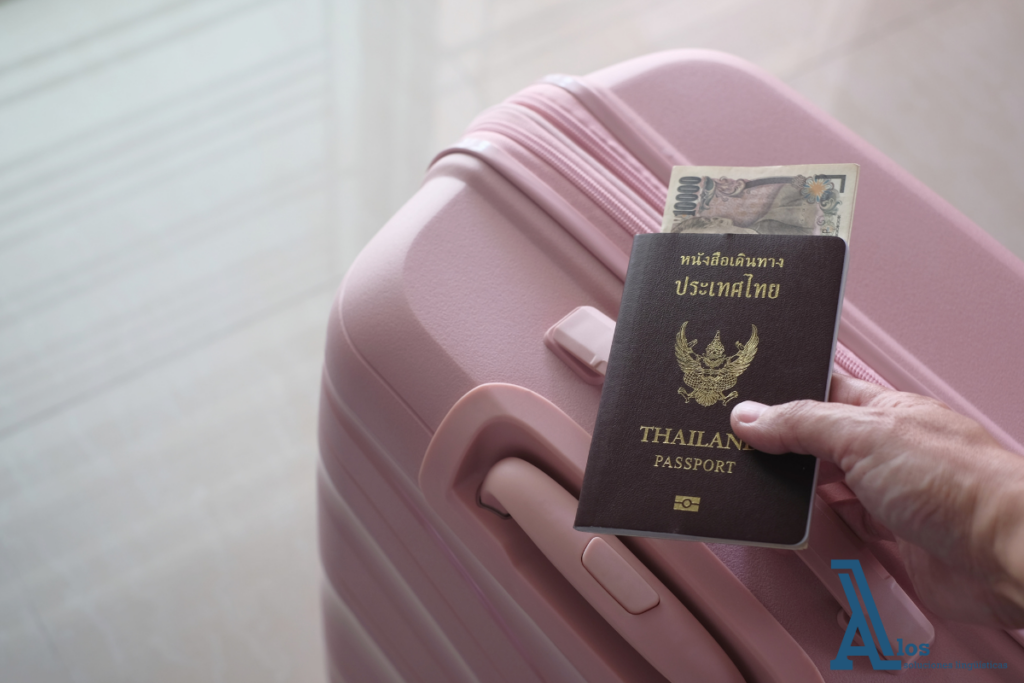
It must be valid throughout the process. In some procedures a minimum remaining validity is even required.
Sworn translations
This is where many applicants go wrong. If the original document expires, the translation automatically stops being valid. That is why it is essential to coordinate the timing between obtaining the document and having it translated.
If you want to understand better in which cases this requirement is compulsory, it is worth reading when you really need a sworn translation, since not every document can be handled with a simple translation and that mistake can hold up the whole file.
How to stop your file being held up
Preventing delays is not complicated, but it does require organisation and knowledge of the process.
Plan your timings
Do not gather all the documents too far in advance. If you do, you run the risk of them expiring before you submit the application. Ideally, first identify which papers you will be asked for, request the slowest ones first and leave the translation until the final stage, once you have the definitive documentation.
To keep an eye on the whole process at once, a monthly wall planner lets you mark when you request each document, when the apostille arrives, when you commission the translation and when each deadline falls, all at a glance and without depending on several different apps.
Always check the current requirements
Requirements can vary depending on the type of permit, whether it is residence, citizenship, recognition of qualifications or studies. Checking official sources or getting specialist advice can prevent basic errors.
Coordinate translation and legalisation
Many foreign documents require an apostille or legalisation in addition to a sworn translation. The order matters. First you legalise, then you translate. Doing it the other way round usually means repeating the process.
It also helps to know which papers tend to cause the most problems. It is therefore useful to look at which documents are most often given a sworn translation in Spain, since that list includes several of the documents most frequently submitted in administrative and legal procedures.
Common mistakes to avoid
Although they may look like minor details, these slips are behind many delays.
Submitting documents without checking the date of issue.
Using old translations of documents that have already expired.
Not checking whether a sworn translation is required.
Translating documents before legalising them.
Not checking the specific requirements of the procedure.
A common example is submitting a criminal record certificate that is correctly translated but was issued too long ago. In that case the problem is not the quality of the translation, but the validity of the original document.
The role of translation in document validity
In immigration procedures, translation is not a simple linguistic formality but a legal requirement. An incorrect or non-sworn translation can invalidate a document completely.
It is also worth bearing in mind that only sworn translations have official validity in the procedures that require them, that they must be signed and stamped by an accredited professional, and that they must correspond exactly to the valid original document. ALOS explains this point in its blog on sworn translation and also covers which documents usually require this service within official procedures in Spain.
That is why working with professionals who specialise in legal documentation is essential to avoid problems.
Frequently asked questions
It depends on the document and the procedure, but many official certificates have a limited period of validity. Before submitting anything, check the date of issue and the specific requirement of the procedure.
Yes. If the original document is no longer valid, the associated translation is no longer any use for that procedure and you will normally have to translate the new version.
No, not when the authorities require a sworn translation. In those cases a simple translation has no official validity.
Avoiding delays in immigration procedures is not just about gathering documents, but about doing it properly and at the right time. Checking dates, understanding the requirements and managing translations correctly can make the difference between a smooth procedure and months of waiting.
If you need support with sworn translations or want to make sure your documentation meets the requirements before submitting your file, at ALOS you can count on a specialist team to help you avoid mistakes from the outset.