





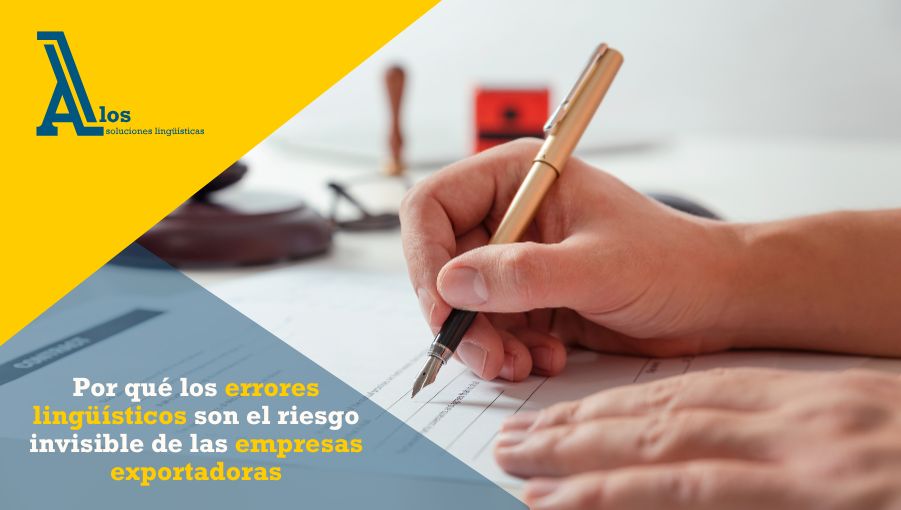
A company can have an excellent product and a solid commercial strategy, and still lose opportunities over something that looks minor: how it communicates. In international settings, language errors do not just affect image, they can hold back sales, cause legal misunderstandings or damage business relationships. This article sets out why these failures are a real risk, even if often an invisible one, and how you can prevent them in practical terms.
The real impact of language errors on exports
When a company enters international markets, language stops being an operational detail and becomes a strategic factor. An error in a product sheet, a contract or a commercial email can have direct consequences.
We are not only talking about spelling. The problems usually run deeper: literal translations, incorrect use of technical terms or messages that are not adapted to the client’s cultural context.
An industrial company that mistranslates its technical specifications, for instance, can raise doubts about product quality. In regulated sectors such as pharmaceuticals or food, an error can even block market entry.
When a bad translation costs money
One of the commonest mistakes is to assume that any translation will do. Many companies turn to automated solutions or to people with no specific training, which raises the risk.
The most frequent consequences are a loss of credibility with international clients, confusion over commercial or contractual terms, an increase in returns or complaints, and delays in negotiations.
A typical case is that of badly translated catalogues, contracts or commercial documents. If the message is unclear or sounds unprofessional, the client senses something is off, however competitive the product. In foreign trade, translation in international trade is key to avoiding misunderstandings that affect agreements, deliveries or client relationships.
The invisible risk: what nobody catches in time
The most troubling thing about language errors is that they often go unnoticed inside the company. Whoever writes or reviews the content may not have the level needed to spot the flaws.
That creates a false sense of security: everything looks fine until the message reaches the end client.
Common examples include commercial emails whose nuances misfire and come across as blunt or unprofessional, corporate websites translated word for word with no cultural adaptation, or technical documentation that does not follow the sector’s terminology in the target country.
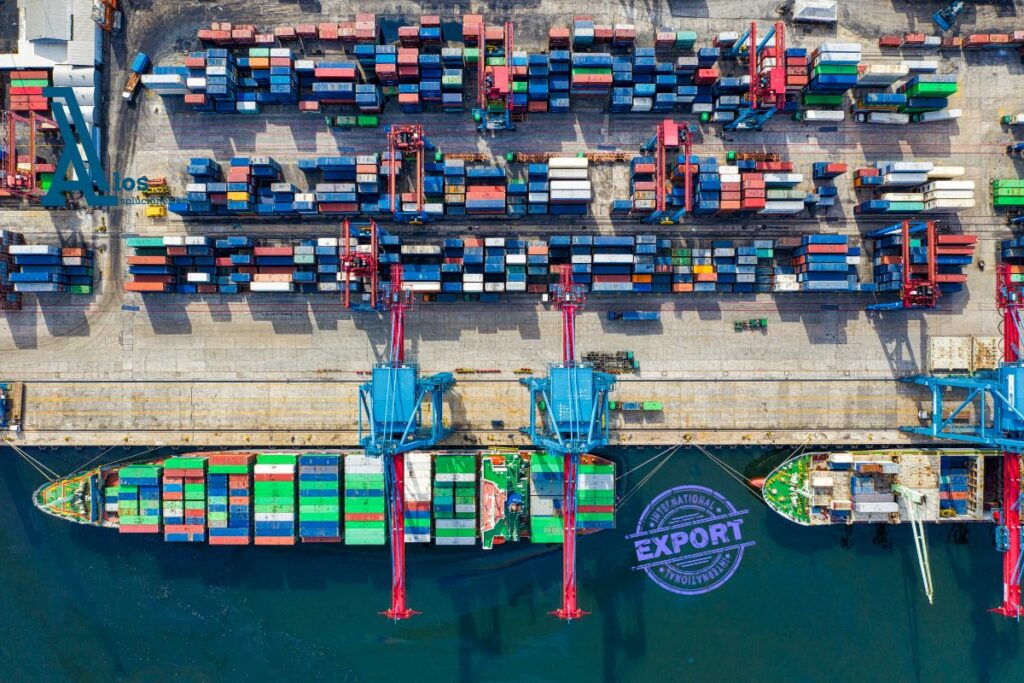
This risk also shows up in logistics paperwork, where a single misread word can cause delays, customs errors or problems with suppliers. It is therefore worth taking particular care over the logistics documents that require professional translation before sending them to clients, carriers or authorities.
Errors of this kind do not always trigger outright rejection, but they do affect how the brand is perceived and they reduce commercial conversion.

Translation versus communication: a key distinction
Many companies still see translation as a mechanical process. Communicating in another language, however, means adapting the message, not just transferring words.
This is where the difference between translating and localising content comes in. Localisation takes account of cultural factors, market expectations and each country’s own ways of communicating.
The tone of a commercial message in Germany, for example, is not the same as in Spain or in Latin America. Getting this wrong can make the message feel inappropriate or simply ineffective.
How to prevent language errors in your company
Avoiding these risks does not require sweeping changes, but it does call for a more strategic approach. Key actions include setting internal language standards, establishing style and terminology guides, arranging professional review before publishing any content, training the team in international communication and avoiding total reliance on machine translation.
The role of language training in exporting companies
Beyond translation, in-house language training plays a decisive role. Teams with stronger language skills make fewer mistakes and spot problems before they escalate.
It also improves negotiating capability, client relationships and independence in international markets.
Investing in training is not only a matter of skills, but of risk reduction.
Frequently asked questions
The most critical are those affecting contracts, technical specifications or commercial messages. They not only cause confusion, they can have legal or financial consequences.
Not in critical contexts. It can serve as support, but it should always be reviewed by professionals to guarantee accuracy and cultural fit.
Signs include low conversion in international markets, misunderstandings with clients or negative feedback about your communication. It also often comes to light when content is reviewed by experts.
Language errors are not always visible, but their consequences certainly are felt. They affect sales, reputation and operations without many companies ever being fully aware of it.
The good news is that they can be prevented with a clear strategy: the right professionals, training and quality control over communication.
If your company operates in international markets and you want to reduce risk, improve your communication and project a solid image, ALOS can help with training and language services tailored to your business.