





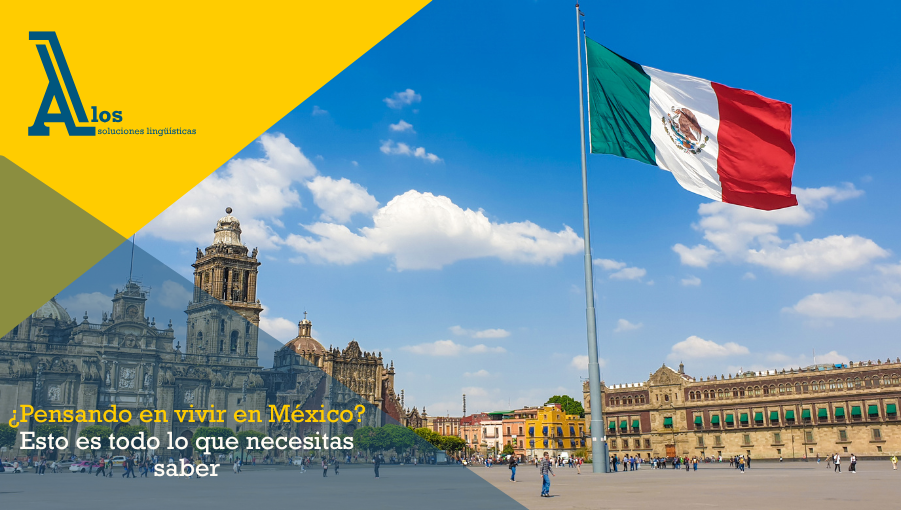
Living in Mexico has become an increasingly popular option for people from all over the world. The country offers an irresistible combination of quality of life, vibrant culture, internationally acclaimed food and warm weather for most of the year. On top of that, the cost of living is considerably lower than in many European or North American countries, which makes it a strategic choice for retirees, digital nomads, students and professionals.
Cities such as Mérida, Guadalajara, Mexico City and Playa del Carmen are seeing their expat communities grow, drawn by Mexican hospitality, a rich cultural heritage and the chance to enjoy a more relaxed way of life. All of which means that living in Mexico is no longer just a dream but a realistic prospect for thousands of people.
Even celebrities are making the move. One recent case is Britney Spears, who chose to move to Los Cabos to find some peace away from the media. Her experience shows that Mexico is attractive not only for its landscapes and climate, but also for the chance to start a new personal or professional chapter.
Reasons to live in Mexico
Choosing to live in Mexico is not purely a financial decision; it is an opportunity to improve your quality of life and immerse yourself in a diverse, culturally rich and welcoming environment. Every year, thousands of people from around the world make Mexico their new home for personal, professional or retirement reasons. Here are the main reasons so many people choose this country:
| Reason | Description |
|---|---|
| Affordable cost of living | Mexico lets you maintain a good standard of living on less than you would need in countries such as the United States, Canada or most of Europe. |
| Culture and heritage | Living in Mexico means living alongside ancient traditions, colonial architecture, folk art and a strong cultural identity. |
| Varied, favourable climate | From warm beaches to cool mountains or the temperate weather of colonial cities, the country has options to suit every taste. |
| Food with a global reputation | Mexican cuisine is varied, nutritious and part of the intangible cultural heritage of humanity. |
| Quality private healthcare | There are private clinics and hospitals with international standards at affordable prices, ideal for foreign residents. |
| Friendly, hospitable people | The warmth of Mexicans makes social integration and a sense of community easy to find. |
| Strategic location | Mexico connects easily with the United States, Central America and South America, and has numerous international airports. |
| A variety of lifestyles | Mexico offers everything from cosmopolitan cities to quiet communities or bohemian coastal areas, suiting a range of preferences. |
Living in Mexico means opting for a life with a more human scale, a balance between modernity and tradition, and the chance to grow in a friendly, dynamic setting.
Types of visa for living in Mexico
General comparison of visas
| Type of visa | Duration | Does it allow work? | Ideal for |
|---|---|---|---|
| Visitor without permission to work | Up to 180 days | No | Tourism, short visits |
| Visitor with permission to work | Up to 180 days | Yes | Temporary work, freelancing |
| Temporary resident | 1 to 4 years | Yes | Employees, investors, spouses |
| Permanent resident | Indefinite | Yes | Retirees, parents of Mexican nationals |
| Student | Depends on the course | Only with a permit | International students |
1. Visitor visa without permission to carry out paid activities
Who is it for?
This visa suits tourists, people travelling for medical reasons, family visits, religious missions, volunteering or unpaid academic activities.
Duration:
Up to 180 days, with no possibility of extension.
Permissions:
It does not allow any paid activity in Mexico.
Main requirements:
- Passport valid for at least six months.
- Visa application form.
- Recent passport-sized photograph.
- Proof of sufficient funds (bank statements, bank letters or a letter from your employer).
- Itinerary or justification for the visit.
Advantages:
- A fast, accessible process at most consulates.
- No employment contract or family ties in Mexico required.
Limitations:
- You cannot work or extend your stay once you are in the country.
- It is not a step towards permanent residence.
2. Visitor visa with permission to carry out paid activities
Who is it for?
People who have received a job offer from a Mexican company, temporary consultants, freelancers hired from Mexico or project-based workers.
Duration:
Up to 180 days. Renewable only from your country of origin.
Permissions:
Yes, it allows you to work legally in Mexico for the authorised period.
Main requirements:
- A job offer from a Mexican company registered with the Instituto Nacional de Migración (INM), the national immigration institute.
- Prior authorisation from the INM before applying for the visa.
- Academic or professional documents supporting your profile.
- Proof of sufficient funds.
- Valid passport and consular application form.
Advantages:
- It allows legal work without the need for long-term residence.
- Ideal for short-term contracts.
Limitations:
- It cannot be converted into temporary residence from within Mexico.
- You have to leave the country when the visa expires in order to apply again.
3. Temporary resident visa
Who is it for?
People planning to live in Mexico for more than 180 days and up to four years, for work, study, investment or family reasons.
Duration:
Granted initially for 1 year, renewable up to a maximum of 4 consecutive years.
Permissions:
Yes. It allows you to work, study, invest or reside for family reunification.
Main requirements (depending on the route):
| Grounds | Additional requirements |
|---|---|
| Work | Employment contract and INM authorisation. |
| Financial means | Bank statements with an average monthly balance of between 2,500 and 3,500 USD, or verifiable income over 6 months. |
| Investment | Evidence of investments or property in Mexico. |
| Family reunification | Marriage or birth certificate, or an official document proving a family relationship with a Mexican national or resident. |
Advantages:
- It is a step towards permanent residence.
- It allows you to change activity (work, study, investment).
- Spouse and children can be included.
Limitations:
- It has to be renewed annually up to the fourth year.
- Some activities require additional permits (such as study or starting a business).
4. Permanent resident visa
Who is it for?
Foreign nationals who wish to settle in Mexico indefinitely. Ideal for retirees, parents of Mexican nationals, people with substantial means or those who have spent several years on temporary residence.
Duration:
Indefinite. No periodic renewal required.
Permissions:
Yes. The holder can live, work, study or start a business freely.
Main routes of access:
- Having lived legally in Mexico for 4 years as a temporary resident.
- Having direct family ties with Mexican citizens (children, spouse, parents).
- Proving stable monthly income (approximately 5,000 USD) or investments.
- Retirement with a sufficient monthly pension.
Advantages:
- It does not need renewing.
- Unrestricted access to services, employment or property purchase.
- It makes naturalisation easier after 2 years in most cases.
Limitations:
- The paperwork is more demanding.
- It is not always granted on a first application; in many cases it follows a period of temporary residence.
5. Student visa
Who is it for?
Students accepted at Mexican educational institutions, from primary level to postgraduate study.
Duration:
Depends on the length of the academic programme.
Permissions:
It does not allow work automatically. An additional permit must be requested if the student wishes to do a placement or paid work.
Main requirements:
- Letter of acceptance from the educational institution.
- Proof of sufficient funds to cover tuition fees and living costs.
- Valid passport.
- Application form.
- Proof of address (where applicable).
Advantages:
- It allows you to study legally in Mexico.
- It can serve as a route to temporary residence (if you find work afterwards).
- Ideal for international students and scholarship holders.
Limitations:
- A special permit is needed in order to work.
- It is not valid for non-academic activities.
Paperwork required for every visa
| Document | Is it compulsory? | Must it be translated into Spanish? |
|---|---|---|
| Valid passport | Yes | No |
| Application form | Yes | No |
| Passport-sized photograph | Yes | No |
| Proof of sufficient funds | Yes | Yes |
| Covering letter or invitation | Depending on the case | Yes |
| Proof of consular fee payment | Yes | No |
Where to live in Mexico? The main cities for expats
| City | Notable features |
|---|---|
| Mexico City | Multicultural, plenty of jobs and culture |
| Mérida | Safe, quiet, high standard of living |
| Guadalajara | Modern, tech-focused, temperate climate |
| Playa del Carmen | Coastal, international atmosphere, tourism |
| San Miguel de Allende | Well-established foreign community, colonial architecture |
Cost of living in Mexico
Mexico has one of the most affordable costs of living in the Americas. Even so, it varies by city and lifestyle.
| Estimated monthly spending (in USD) | Mexico City | Mérida | Playa del Carmen |
|---|---|---|---|
| Rent, one-bedroom flat in the centre | $500 – $850 | $400 – $700 | $600 – $900 |
| Food | $250 – $400 | $200 – $350 | $250 – $400 |
| Public transport | $20 – $40 | $15 – $25 | $20 – $30 |
| Approximate monthly total | $800 – $1,400 | $700 – $1,200 | $850 – $1,500 |
What expats say about Mexico
“After ten years living in London, I moved to Mérida. Life here is calmer, people are friendly, and my expenses halved. It was the best decision of my life.”
— Claudia, Argentinian expat
“I found work in Mexico City on a temporary visa. An agency helped me with the paperwork and it all went faster than I expected.”
— André, French citizen
What to do after you arrive in Mexico
Once you arrive with your visa approved, there are important steps you must not skip:
| Procedure | Where is it done? | When? |
|---|---|---|
| Exchange for a residence card | Instituto Nacional de Migración (INM) | Within the first 30 days |
| Registration with the SAT (if you work) | Servicio de Administración Tributaria (the tax authority) | Once you start working |
| Enrolment in the health system | IMSS or ISSSTE (where applicable) | Voluntary or compulsory depending on the case |
Benefits of living in Mexico as a foreign national
Pleasant weather all year round
Mexico offers a wide variety of climates depending on the region, from tropical coasts to mountain cities with mild temperatures all year. That lets foreign residents choose the setting that best suits their lifestyle, without worrying about extreme winters or stifling summers. Cities such as Cuernavaca, Guadalajara and Mérida are known for their stable, pleasant climates.
Varied, healthy food
Mexican cuisine is far more than tacos. It is built on fresh, local, nutritious ingredients such as maize, beans, avocado, fish and tropical fruit. Each region also has its own traditional recipes, which guarantees a rich, varied and affordable diet. For anyone watching their health or following a specific diet, organic, vegetarian and gluten-free options are increasingly available.
Competitive private healthcare
Mexico has private hospitals and clinics offering high-quality medical care at very reasonable prices. Many doctors trained abroad and speak English, which makes care easier for expats. There are also international and local health insurance policies designed to cover foreign residents, without the high costs of countries such as the United States.
Access to beaches, archaeological sites and pueblos mágicos
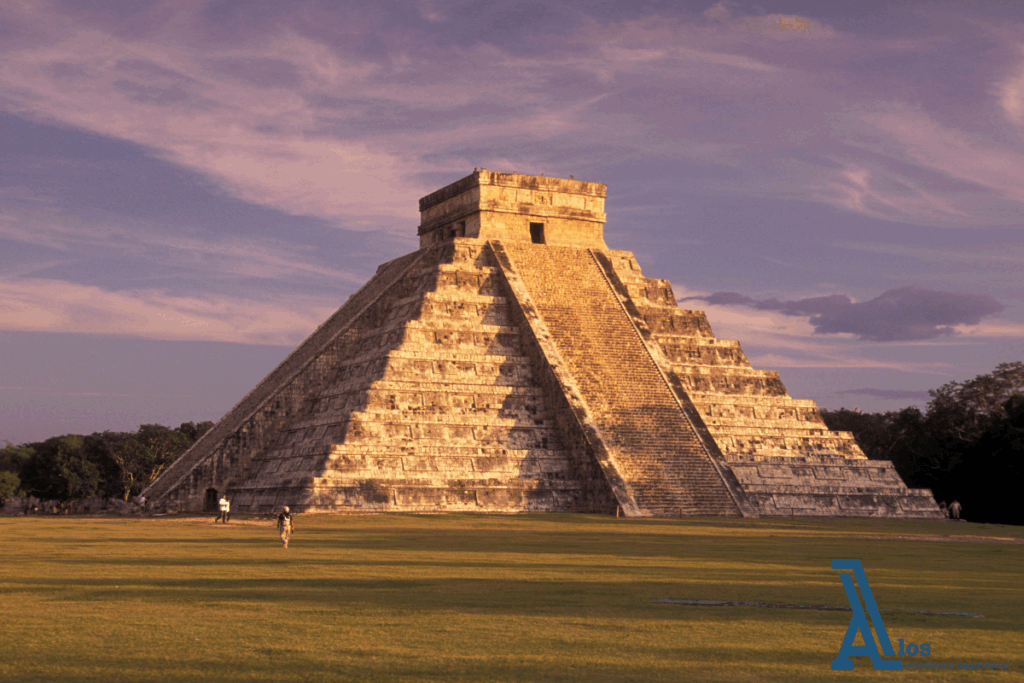
Living in Mexico means having endless destinations to explore close by. From idyllic beaches such as those of the Riviera Maya or Baja California to archaeological sites such as Teotihuacán or Palenque. The “Pueblos Mágicos” (magic towns) also offer authentic experiences, with traditional architecture, local festivities and regional food, ideal for weekend trips.
Affordable cost of living
Compared with Europe or North America, Mexico offers a high standard of living on a much smaller budget. Rent, food, transport and services are affordable, which allows you to save without giving up quality or comfort. That is particularly attractive for retirees, remote workers and entrepreneurs looking to make their money go further.
An active expat community
Many Mexican cities have solid expat communities that organise events, forums, support networks and cultural activities. That makes settling in, sharing experiences and making friends much easier. In places such as San Miguel de Allende, Ajijic or Playa del Carmen, foreign residents are an active part of local social and cultural life.
Translation and language services for people relocating
Moving to Mexico may call for certified translation of:
- Birth certificates
- Marriage or divorce certificates
- Diplomas and academic qualifications
- Employment contracts
- Notarial or financial authorisations
Learning Spanish is also key to integrating socially and professionally. At Alos Soluciones Lingüísticas we offer:
- Certified translations valid for immigration procedures
- Spanish courses for companies and expats
- Interpreting for meetings or legal proceedings
Your path to Mexico starts with a good translation (and a language you speak well)
Settling in another country goes well beyond paperwork. If you are set on living in Mexico, you need to meet the immigration requirements, but you also need to communicate clearly, understand your surroundings and get by with confidence. That is where a professional partner really proves its worth.
At Alos Soluciones Lingüísticas we offer everything you need to start this new chapter with the right support:
- Certified translations of official documents: passports, birth certificates, academic qualifications, banking or employment documents. All translated by specialists in line with the requirements of the Mexican immigration authorities.
- Language courses tailored to you: whether you need to learn Spanish from scratch or want to refine your skills for personal, academic or professional life. We also provide language training for companies with international staff.
Our aim is to support you before, during and after your move. We help you prepare your documents, but we also prepare you, so that settling into Mexico feels natural and effective, with no language barriers.
Frequently asked questions (FAQ)
To live in Mexico legally you need a visa that matches your situation: visitor, temporary resident, permanent resident or student. Each type of visa has specific requirements, such as financial means, family ties or a letter of acceptance.
The main types are: visitor visa without permission to work, visitor visa with permission to carry out paid activities, temporary resident visa, permanent resident visa and student visa.
No. The tourist visa does not allow paid activities in Mexico. If you want to work legally, you need a temporary resident visa with a work permit or a visitor visa with permission to work.
Costs vary according to the type of visa and the country you apply from. Consular fees generally range between 40 and 250 USD, not counting additional costs such as certified translations or legalisation.
Yes. Any document in a language other than Spanish must be translated by a certified translator. Mexico requires official translations of birth certificates, contracts, financial certificates and more.
The temporary residence visa allows you to live in Mexico for 1 to 4 years. It is renewable and can be converted into permanent residence after the fourth year.
Some of the most highly recommended are Mexico City, Mérida, San Miguel de Allende, Guadalajara, Querétaro and Playa del Carmen, for their infrastructure, safety, medical services and active expat communities.