





Switzerland is one of the most appealing countries for anyone who wants to start a new personal or professional chapter in Europe. With an exceptional quality of life, a multilingual environment and a stable economy, more and more people are looking into how to obtain a visa for Switzerland. Whether to study at its prestigious universities, work for its international companies or simply live surrounded by nature and safety, the country offers many legal routes to settling there.
What is more, thanks to a well-structured immigration system, the chances of obtaining a visa for Switzerland are clear as long as certain requirements are met. From artists and athletes to students and skilled workers, thousands of people go through this process every year.
As a real example, even celebrities such as Tina Turner chose to leave their country of origin to settle on Swiss soil, successfully arranging their visa for Switzerland and later obtaining citizenship.
Interesting facts about Switzerland
- An extensive rail network: with more than 5,300 kilometres of track, Switzerland has one of the densest rail networks in the world, making transport efficient and punctual.
- Constant innovation: the country is home to CERN, one of the world’s leading scientific research centres, and has been ranked the most innovative country in the world.
- Historic neutrality: Switzerland has maintained a policy of neutrality since 1815, which has contributed to its stability and internal peace.
A real case: Tina Turner and her life in Switzerland
The legendary singer Tina Turner decided to move to Switzerland in 1995 with her partner, Erwin Bach. In 2013 she obtained Swiss citizenship and renounced her US nationality. Turner said that Switzerland gave her the privacy and calm she was looking for, away from constant media scrutiny. She lived in Küsnacht, near Zurich, until her death in 2023.
Types of visa for Switzerland
Schengen visa (Type C)
This visa allows short stays (up to 90 days in any 180-day period) for tourism, family visits, cultural or sporting events and similar purposes. It applies to nationals of countries that need a visa to enter the Schengen Area.
National visa (Type D)
Intended for stays of more than 90 days, such as study, work or family reunification. The application must be submitted to the relevant Swiss embassy or consulate and requires approval from the cantonal authorities..
Residence permits
Depending on the length and purpose of the stay, there are different permits:
- Permit L: for short stays (less than one year).EDA
- Permit B: for long stays (more than one year).
- Permit C: a permanent residence permit, generally granted after five or ten years of continuous residence.
Five keys to applying for a visa in Switzerland
1. Identify the right type of visa
It is essential to identify the visa that matches the purpose of the stay (tourism, study, work and so on) and its expected length. This ensures that the specific requirements are met and avoids delays or a refusal.
2. Prepare the necessary documents
The paperwork varies depending on the type of visa, but generally includes:
- A completed and signed application form.
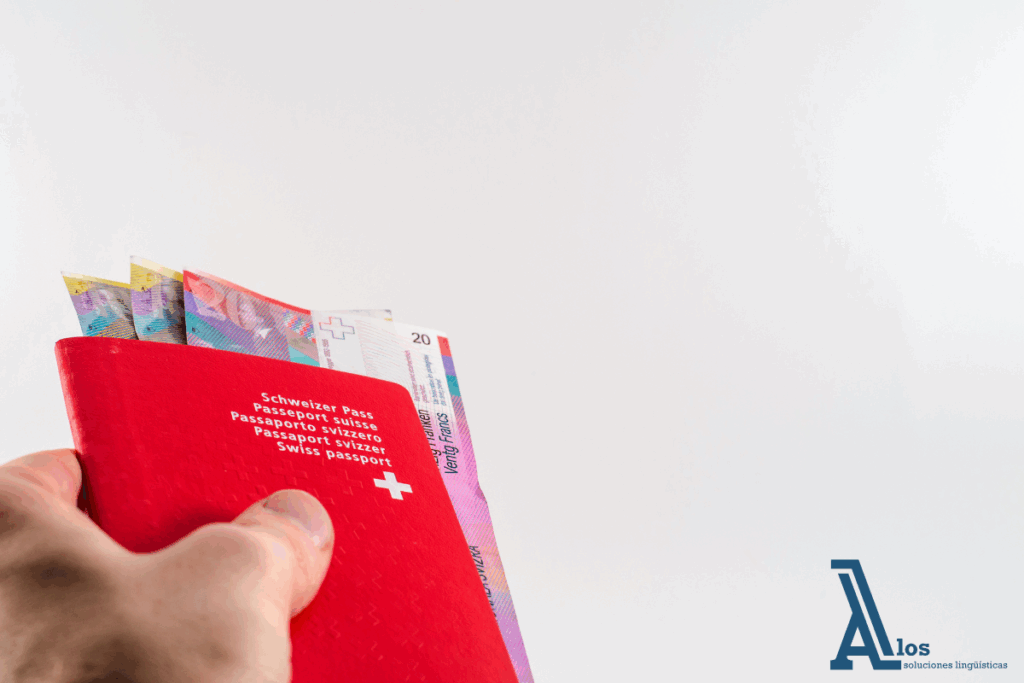
- A valid passport with at least two blank pages.
- Recent passport-size photographs.
- Proof of sufficient financial means.
- Valid health insurance for Switzerland.
- A letter of acceptance from an educational institution or an employment contract, as applicable.
3. Meet the specific requirements
For work visas, it is essential to show that you hold suitable professional qualifications and that no local candidates are available for the post. For study visas, you must provide a letter of acceptance from a recognised educational institution and prove you have enough money to cover your living costs.
4. Apply well in advance
The application process can be lengthy, especially for long-stay visas. It is advisable to apply at least three months before your intended travel date to avoid problems.
5. Think about language and integration
For longer stays, especially those that may lead to permanent residence, it is important to show an adequate level of integration, which includes knowledge of the local language (German, French, Italian or Romansh) and familiarity with Swiss culture.Source)
Do you need to translate documents or certificates for your visa application?
Request a translation quote for your company
Everything ready for your new life in Switzerland
As you have seen, obtaining a visa for Switzerland can open the door to a life of opportunity in one of the most stable and developed countries in the world. Whether to work, study or live there, meeting the Swiss visa requirements is key to achieving your goal legally and safely.
And if you need help translating documents or want to improve your language skills, at Alos Soluciones Lingüísticas we offer tailored services for companies and individuals.
Frequently asked questions (FAQ)
It depends on your nationality. EU citizens and nationals of some Latin American countries do not need a visa for stays of up to 90 days. Even so, it is advisable to check the specific requirements with the relevant Swiss embassy or consulate.Bloomberg Línea
No. To work in Switzerland you need a work visa and the corresponding residence permit. Working on a tourist visa is illegal and can lead to penalties.
Processing times vary depending on the type of visa and the workload of the embassy or consulate. It is advisable to apply at least three months in advance.
It is not a requirement for every visa, but knowing one of the official languages can be an advantage, especially for long-stay visas and integration procedures.
Yes. Generally, after five or ten years of continuous residence and provided certain requirements are met, such as integration and knowledge of the local language, you can apply for the permanent residence permit (Permit C).