





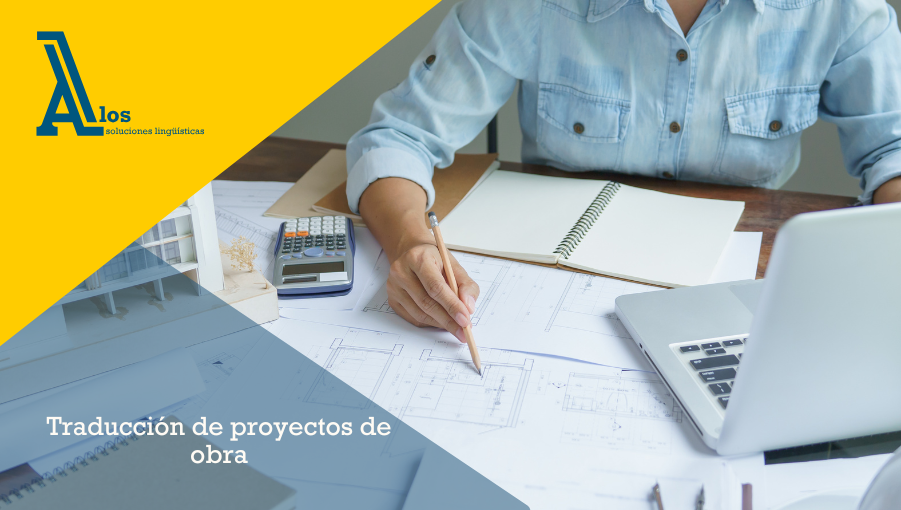
In construction, a misread document can cause delays, cost overruns or even legal problems. When a project involves international teams, public tenders or suppliers from different countries, translation in construction stops being a formality and becomes a critical part of the project.
In this article you will see which documents usually need translating on site, why technical precision is essential and how to manage the process so that errors do not affect the project.
Why translation is critical in construction projects
In construction, much of the communication rests on technical documentation: drawings, reports, specifications, surveys or contracts. When any of these has to be used in another language, the slightest imprecision can cause operational problems.
An incorrect translation in a technical specification, for example, can lead a supplier to install the wrong material or a work package to be carried out using the wrong procedure.
International projects also tend to involve multiple parties:
- Architects
- Engineering firms
- Construction companies
- Subcontractors
- Plant and materials suppliers
If each one works in a different language, translation becomes the key to making sure everyone reads the documentation the same way.
Which construction documents usually need translating

Not every site document carries the same risk if it is translated badly. There are, however, certain types of documentation where linguistic precision matters especially.
Drawings and technical documentation
Drawings contain highly specific terminology relating to structures, building services or measurements. Although much of the content is visual, the annotations, legends and specifications require specialist translation.
A mistranslated technical term can change how the construction solution or the system to be installed is understood.
Tender specifications and technical reports
In international tenders or projects funded by foreign bodies, specifications and reports often have to be submitted in several languages.
These documents include:
- technical requirements
- execution procedures
- quality standards
- acceptance criteria
Here the translation has to be especially precise, since these texts usually carry contractual implications.
Contracts and agreements with international suppliers
When a construction company works with foreign suppliers or subcontractors, the contracts have to be intelligible to all parties.
An unclear translation can create ambiguity around matters such as:
- technical responsibilities
- delivery deadlines
- penalties
- supply conditions
That is why many companies turn to professional services before signing.
Common risks in translating site documentation
Translation in construction poses challenges that do not arise in other sectors. Knowing the language is not enough: you have to understand the technical context.
One of the most common mistakes is translating technical documents with automated tools or generalist translators. This usually produces terminological inconsistencies within the same project.
Another frequent problem is the lack of consistency between documents. If the terminology used in the drawings does not match the one used in the technical specification, doubts can arise during construction.
What is more, when companies handle this process internally without a clear system, version errors appear, or documents end up translated differently by different suppliers. It is precisely for this reason that many companies look carefully at how to choose the right language partner, as explained in the article on choosing a translation supplier for your company.
Good practice for managing translation on construction projects
Construction companies working with multilingual documentation tend to apply a few basic principles to reduce risk.
Work with translators who specialise in technical content
The sector’s terminology is highly specific. Concepts relating to structures, building services or plant call for technical as well as linguistic knowledge.
A translator who specialises in technical translation understands the context of the document and can keep terminology consistent across the whole project.
Centralise translation management
When different departments send documents out for translation separately, inconsistencies easily creep in.
Centralising the process allows you to:
- keep the same terminology across all documents
- avoid duplication
- control versions
It also makes communication between the technical team and the translators easier.
Build project glossaries
On large projects it is common practice to draw up a glossary of key terms: construction systems, materials or processes.
This guarantees that every document translates those concepts the same way and avoids differing interpretations between suppliers or international teams.
Define clear review processes
Technical review matters as much as the translation itself. On many projects, the engineering team checks the translated documents to confirm that the technical terminology matches the original design.
It is also advisable to avoid some common mistakes in corporate language management, as explained in this analysis of mistakes when outsourcing translation.
When it is worth translating documentation from the start of the project
On some projects, translation is only tackled when the need arises to send documents to a foreign client or supplier. On international projects, however, it can be far more efficient to plan for it from the outset.
This is especially true in:
- international tenders
- projects funded by European bodies
- works involving foreign engineering firms
- projects with several international companies taking part
When translation is built in from the initial phase, you avoid having to adapt large volumes of documentation at critical points in the project.
Frequently asked questions
The most common are usually English, French and German, especially on international projects or European tenders. Portuguese, Italian or Eastern European languages are also frequent, depending on where the works take place.
Automated tools can help with simple text, but they are not reliable for construction documentation. Drawings contain specialist terminology that needs human review to avoid misinterpretation.
It depends on the volume and the type of document. A simple drawing can be translated quickly, but technical reports or full specifications may take several days to guarantee terminological consistency and technical review.
On international construction projects, translation is not merely an administrative requirement. It is a key tool for making sure that everyone involved reads the technical documentation correctly.
Managing translation properly helps avoid errors, improves coordination between teams and reduces risk during construction.
If your company works with technical documentation in several languages, professional support can make a real difference to the clarity and reliability of your projects. At ALOS we help companies and professionals manage technical translation with precision and linguistic consistency. Get in touch with our team to discuss what your project needs.