





Opportunities and salaries for Spanish engineers in Germany. Differences, demand and the keys to success
Learning German is one of the best investments a Spanish engineer can make to boost their career in Germany, easing their integration into the labour market and widening their professional opportunities. Germany has established itself as an attractive destination for engineering professionals, offering competitive salaries and solid demand for staff. According to the data consulted, the average salary in Germany was €52,556 a year, while in Spain it was €25,896, a significant difference. In engineering, an engineer in Berlin usually earns around €61,000 a year, while in Spain the average salary for a technical engineer is €28,800 a year. Although there are no exact figures for the number of Spanish engineers in Germany, it is clear that many have taken up these job opportunities.
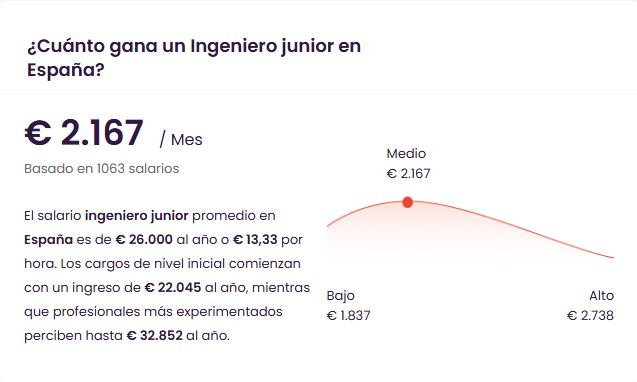
Find out the average salary for a Junior Engineer according to the data consulted updated to 2025 in the table below:
If the salary differences between Spain and Germany have encouraged you to consider a job in Germany, but the language is still a barrier, do not worry. Knowing German can make all the difference to your integration and professional success, but the first step is to find out where you stand. We invite you to take our German level test ((click here) to assess your current knowledge and discover how close you are to working in a professional environment in Germany. Start today and get closer to your goals!
German companies that hire Spanish engineers
Germany has shown a consistent interest in attracting international talent, particularly in engineering. This interest comes down to several key factors:
- Demand for qualified professionals: Germany faces a significant shortage of engineers in sectors such as the automotive industry, construction and technology. This gap in the labour market pushes German companies to look for foreign talent in order to stay competitive.
- Recognition of Spanish qualifications: Spanish engineers are valued for their solid technical training and their ability to adapt, which makes them attractive candidates for the German labour market.
- Mobility and cooperation programmes: Initiatives and agreements between Spanish and German institutions make it easier to move for work, encouraging the recruitment of Spanish professionals in Germany.
This context gives Spanish engineers significant opportunities to develop their careers in an advanced, dynamic industrial environment.
Specialist master’s degrees in Germany
Germany offers a wide range of master’s programmes in engineering that combine academic excellence with a practical focus. Some of the most notable programmes are:
- Master’s in Advanced Materials Science and Engineering (AMASE). This international programme allows students to study at two of four different European universities, including institutions in Germany, France, Spain and Sweden. It also offers the chance to learn two of the four languages available: German, French, Spanish and English.
- M.Eng. in Engineering Management at IU International University of Applied Sciences. Designed for those with an engineering background, this programme combines technical knowledge with innovative management topics.
- ENTER – International Master of Science in Engineering, Entrepreneurship and Resources. This programme focuses on training highly qualified engineers specialising in maintenance, processes and chemical engineering for the raw materials sector in Eastern and South-Eastern Europe.

Benefits of learning German for engineers
Although many engineering programmes in Germany are taught in English, mastering German can significantly boost the professional opportunities open to Spanish engineers:
- Integration at work: Knowing German makes it easier to communicate with colleagues and managers, which can be crucial for teamwork and project management.
- Access to more opportunities: Many German companies value or require command of the language for specific roles, particularly those involving contact with local customers or suppliers.
- Cultural adaptation: Speaking German allows for a better understanding of business culture and social norms, making it easier to adapt to the working and social environment.
- Personal development: Learning a new language enriches your personal and professional profile, demonstrating adaptability and commitment.
Engineers in Germany. How learning German can boost your career and ease your integration
For Spanish technical engineers looking to broaden their professional horizons in Germany, learning German is an investment that widens their options and eases their integration into the German labour market. Mastering the language not only improves communication and efficiency at work, it also allows for a deeper immersion in German culture and society, which is fundamental to adapting successfully. Knowing the language is also essential in order to understand and adapt to the culture of a new country, which makes integration and professional success easier.
If you need to translate documentation before moving to Germany, we recommend reading our guide on which tax documents require a sworn translation or how to arrange the official recognition of your university degree before setting off on your adventure.
If you are already settled in Germany and do not yet have a good enough command of the language, remember that you can book our online German classes, with native-speaker teachers and at competitive prices. You will certainly save money compared with market prices for German classes in Germany, and you will finally be able to make the most of your experience.
(FAQ) Frequently asked questions about German for engineers
It is not compulsory, but it is highly advisable. Although some companies operate in English, a command of German widens your job opportunities and makes it easier to fit into the working and social environment.
There are academies and online platforms offering technical German courses aimed at engineers. Some German universities also offer language courses as part of their master’s programmes. At Alos soluciones lingüísticas we offer LSP (Language for Specific Purposes) training focused 100% on your sector, your goal and your current level.
It depends on the employer and the role. That said, having your degree officially recognised can make the job hunt easier and guarantee official recognition of your qualifications.
It varies according to the programme and the university. Some programmes are taught in English and do not require German, while others call for a B1 or B2 level of the Common European Framework of Reference for Languages.
Yes, institutions such as the DAAD offer full scholarships for international students wishing to take postgraduate studies in Germany.
You can take level tests online, such as the German test available at the following link, to find out your current language ability.
As well as specialist courses, it helps to read technical literature in German, take part in professional forums and use mobile apps focused on technical vocabulary.
The time varies according to how much you put in and your study method, but it is generally estimated at between 600 and 800 hours of study.
Yes, many international students combine language learning with part-time work. It is important to check the visa and work permit rules.
Besides German, they value skills such as cultural adaptability, the ability to work in a team, up-to-date technical competencies and international experience.