





Blog
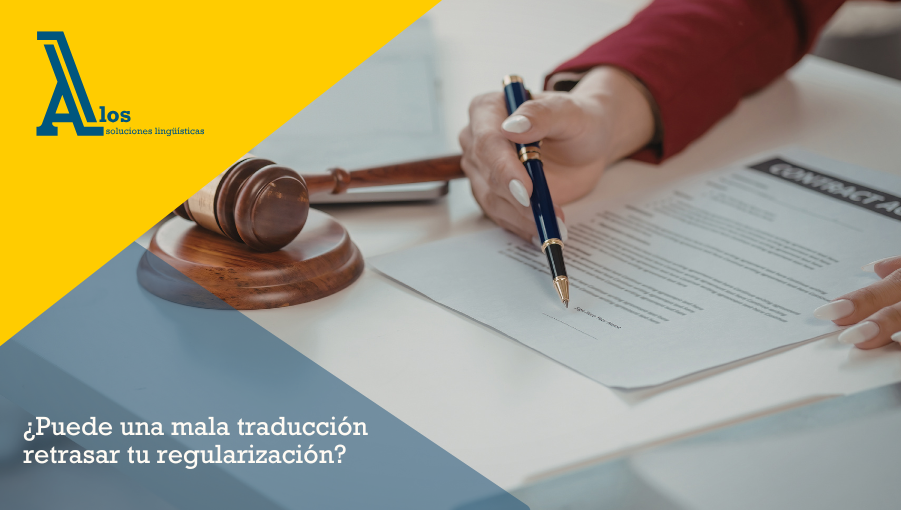
Can a poor translation delay your regularisation?
A badly translated certificate can stall a regularisation file for weeks. Here is what counts as a poor translation and how to avoid the delay.

Responsible declarations: what role does language play?
A responsible declaration only works if the wording and the supporting documents are clear. Here is when a sworn translation becomes necessary.

Certified translation and legal validity: what you need to know
When does a document need a certified translation in Spain? The requirements, the difference from a simple translation and the mistakes to avoid.
Legal translation in Spain: more important than ever
More foreign documents are filed in Spain every year. When you need a legal or a sworn translation, and the mistakes that hold up a file.
Legal risks of a poor translation in immigration procedures
Refusals, requests for correction and invalid documents: the real legal risks of a poor translation in an immigration file, and how to prevent them.
The role of translation in legal immigration procedures
Translation decides whether an immigration file moves forward or stalls. Which documents need care and which mistakes to prevent.
Regularisation vs citizenship: why translation is key
Regularisation and citizenship demand different paperwork but the same accuracy. Which documents need a sworn translation and what to avoid.
Which documents must be accompanied by a sworn translation?
A clear guide to the documents that must be filed with a sworn translation in Spain, and the mistakes that delay them.
Official translation: a key requirement in immigration procedures
Why immigration files in Spain need officially translated documents, and how to prepare them without errors.
How to prepare your immigration documents without mistakes
Step-by-step guidance on organising immigration documents in Spain, from apostilles to sworn translations.