





Can a work of art speak to us if we do not understand its context? And how can we travel with art if we do not also cross the barriers of language? In 2023 the Valencian Community welcomed a total of 10.49 million international tourists, an increase of 21.7% on the previous year, according to the sources consulted. This marked rise reflects the growing interest in the region’s cultural and artistic offering, with Valencia as one of its main attractions. In this context, translation for museums in Valencia has become essential in ensuring that the experience of art is accessible, comprehensible and genuinely international.
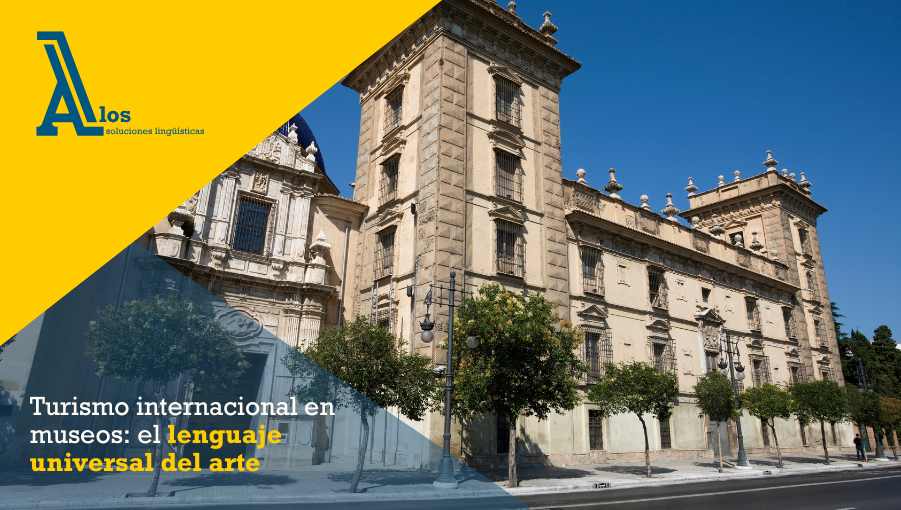
The Museo de Bellas Artes de València has strengthened its international profile through partnership agreements with prestigious museums. In 2024 the MuBAV presented a programme of temporary exhibitions that included works from institutions such as the Centre Pompidou in Paris and the Museo Nacional Centro de Arte Reina Sofía, consolidating its presence on the global art scene.
These collaborations reflect the MuBAV’s commitment to sharing Valencian artistic heritage and integrating it into international cultural dialogue. With this growing global interest, Valencia’s museums become not only custodians of artistic heritage but genuine spaces for intercultural encounter, where translation and interpreting play a key role in making art accessible to a diverse audience.
Valencia’s museums: a door open to the world
Below we present some of the city’s most emblematic museums, along with useful information about their location, access and digital presence:
Art has no language, but it does need to be understood
Work with a translation agency in Valencia whose translators are experts in culture, and make sure every exhibition, catalogue or event reaches its audience clearly
1. Museo de Bellas Artes de Valencia
- Location: Calle San Pío V, 9
- Website: www.museobellasartesvalencia.gva.es
- Instagram: @museobellasartesvalencia
- Twitter: @mubav
- Facebook: Museo de Bellas Artes Valencia
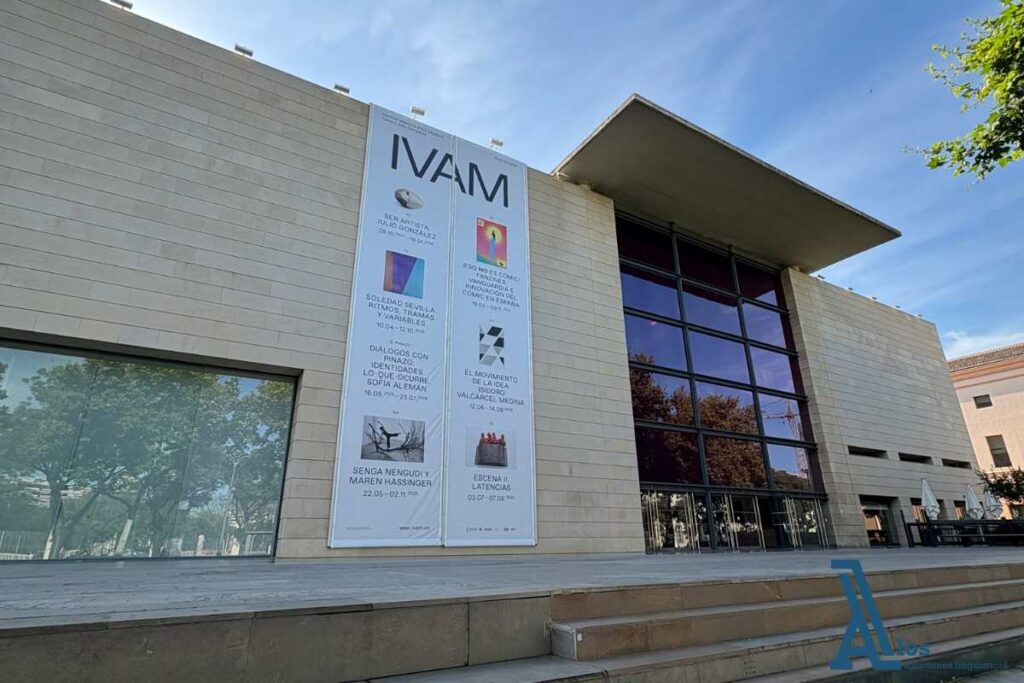
2. IVAM – Institut Valencià d’Art Modern
- Location: Calle Guillem de Castro, 118
- Website: www.ivam.es
- Instagram: @ivam_valencia
- Twitter: @ivamvalencia
- Facebook: IVAM Valencia
3. Museo Nacional de Cerámica y Artes Suntuarias González Martí
- Location: Calle Poeta Querol, 2
- Website: www.culturaydeporte.gob.es
- Instagram: @mnceramica
- Twitter: @mnceramica
- Facebook: Museo Nacional de Cerámica
4. Museu de Prehistòria de València
- Location: Calle Corona, 36
- Website: museuprehistoriavalencia.es
- Instagram: @museuprehistoriavalencia
- Twitter: @MuseuPrehistVLC
- Facebook: Museu de Prehistòria de València
5. Centre del Carme Cultura Contemporània (CCCC)
- Location: Calle Museo, 2
- Website: www.consorcimuseus.gva.es
- Instagram: @centredelcarme
- Twitter: @centredelcarme
- Facebook: Centre del Carme
6. Museo Fallero de Valencia
- Location: Plaza Monteolivete, 4
- Website: www.fallas.com/museo-fallero
- Instagram: @museofallerodevalencia
- Twitter: @fallascom
- Facebook: Museo Fallero de Valencia
7. Museo Histórico Municipal de Valencia
- Location: Plaza del Ayuntamiento, 1 (Valencia City Hall)
- Website: www.valencia.es
- Instagram: (no official account)
- Twitter: @AjuntamentVLC
- Facebook: Ajuntament de València
8. Museo de Historia de Valencia
- Location: Calle Valencia, 42 (Mislata)
- Website: www.museuhistoriavalencia.es
- Instagram: @museuhistoriavalencia
- Twitter: @MHVvalencia
- Facebook: Museu Història de València
9. L’ETNO – Museu Valencià d’Etnologia
- Location: Calle Corona, 36
- Website: www.letno.es
- Instagram: @letno_valencia
- Twitter: @letno_valencia
- Facebook: L’ETNO
10. Museo de Ciencias Naturales
- Location: Jardines de Viveros (Calle General Elio, s/n)
- Website: www.valencia.es
- Instagram: (no official account)
- Twitter: @AjuntamentVLC
- Facebook: Ajuntament de València
What would art be without drawing on other currents, languages and cultures? Museums do not only preserve works: they are meeting points where thought and creativity cross borders. In Valencia, these cultural institutions welcome visitors from all over the world every day, work with international centres and bring to life exhibitions that speak to many different contexts. At this crossroads, language services are not an extra but a fundamental requirement if that exchange is to be possible, smooth and rewarding.
Translation and interpreting in sharing art
The rise of cultural tourism and of exchanges between art institutions worldwide is creating growing demand for specialist language services. In this article we explore how these services are essential in a range of artistic settings, from interpreting at events to the translation of audiovisual and contractual materials.
Interpreting at events and in the media
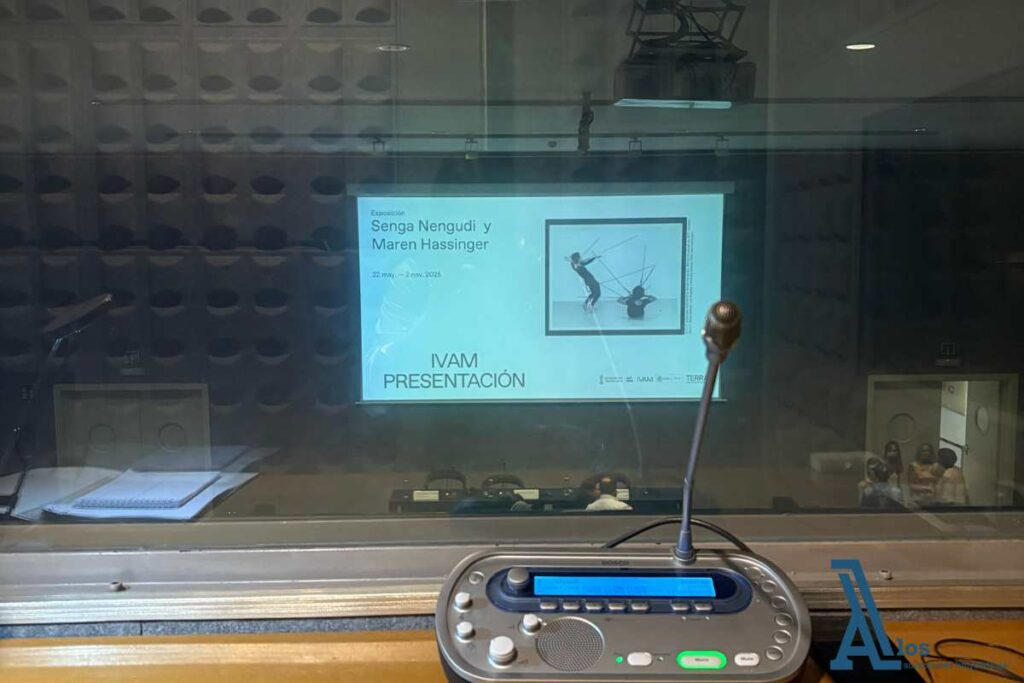
Simultaneous or consecutive interpreting is crucial at conferences, openings, press conferences and artists’ presentations. In these settings communication must be smooth, accurate and emotionally faithful to the original message. Interpreters have to be cultural mediators, able to convey not only the verbal content but also the tone and sensibility of artistic discourse.
Translating catalogues and labels
Exhibition catalogues and information labels are key to understanding a work. Translating them calls for specialist knowledge of art and cultural sensitivity, so that the messages are understood by an international audience without losing the essence of the original text.
Subtitling audiovisual materials
Museums increasingly turn to videos and multimedia resources to enrich the visitor experience. When these materials are professionally subtitled, they give access to narrative and explanatory content in several languages, making inclusion and global understanding easier.
Translating contracts and legal documents
The international circulation of works of art involves a complex web of contracts between museums, curators, insurers and sponsors. Accurate translation of these documents is indispensable if misunderstandings are to be avoided and international rules on loans, conservation and display are to be met.
Language as a bridge for global art
Art has no borders, but understanding does. Effective multilingual communication is what allows a Valencian work to speak to a Japanese audience, or a Canadian artist to connect with their audience in Valencia. At this crossing of cultures, translation and interpreting act as genuine bridges that connect sensibilities, contexts and knowledge.
At Alos Soluciones Lingüísticaswe are proud to provide language services to prestigious institutions such as the Cidade da Cultura de Galiciamuseum, the IVAM, the Museo de Bellas Artes de Valencia and the CAAM (Centro Atlántico de Arte Moderno) in the Canary Islands. Our team is ready to handle any language requirement connected with the world of art and culture.
Does your institution need support with translation or interpreting?
Write to us and let us make art a universal language
Frequently asked questions about translation services for museums in Valencia
Translation allows visitors from all over the world to understand and fully enjoy exhibitions, catalogues and cultural content.
Translation of curatorial texts, simultaneous interpreting, video subtitling, multilingual signage and legal translation.
The Museo de Bellas Artes, the IVAM and other centres have lent works to institutions such as the Centre Pompidou and the Petit Palais.
It allows artists, curators and international audiences to take an active part in events and conferences.
Yes, it is common practice for accessibility and international reach. It is done with professional translation and synchronisation.
It requires a strong command of the technical language of art, as well as knowledge of cultural context and aesthetic sensitivity.
It improves the international visitor’s experience and positions the city as an inclusive, cosmopolitan destination.
They are essential in guaranteeing secure agreements, especially when works are loaned or museums work together.
The IVAM and the MuBAV are benchmarks in international outreach through loans and shared exhibitions.
At Alos Soluciones Lingüísticas we offer translation, interpreting and cultural consultancy for art institutions.