






Can you really learn a language with an app?
Language apps promise fluency from your phone. We compare Duolingo and Babbel with teacher-led classes and show you how to combine both.
The Arabic imprint on Spanish
Around 8% of Spanish vocabulary comes from Arabic. We trace that legacy through everyday words, place names and the regions where it runs deepest.
Your homeland speaks for you: expressions from every region
From “morriña” in Galicia to “mazo” in Madrid, Spain is a linguistic mosaic. Discover the typical expressions of each region and what they reveal.

Online or in-person English classes: you decide
Online or in-person classes? Find out which way of learning English suits you best if you are a professional with very little free time.
Naming and branding for global cosmetics
In cosmetics, a name can open or close a market. We look at successes and failures in naming and branding, and at how to adapt them for each country.

What is a Para-Romani variety (pogadolect)?
Pogadolects are mixed languages that combine the grammar of one language with the vocabulary of another. This post looks at Caló and Erromintxela, their features, their situation in Spain today and what they teach us about linguistic diversity.

Communication at Football World Cup press conferences: keys and strategies
Translation mistakes and interpreting strategies at the Football World Cup, with real cases from FIFA press conferences and how to prevent them.
What is the best age to learn a language? Myths and truths
Is there an ideal age to learn a language? Discover the strengths of each stage of life and why it is never too late to start.

Is your degree worth the same in different countries? Find out before it is too late
A practical guide to translating your academic documents if you want a foreign degree recognised in Valencia. Steps, requirements, costs and special cases.
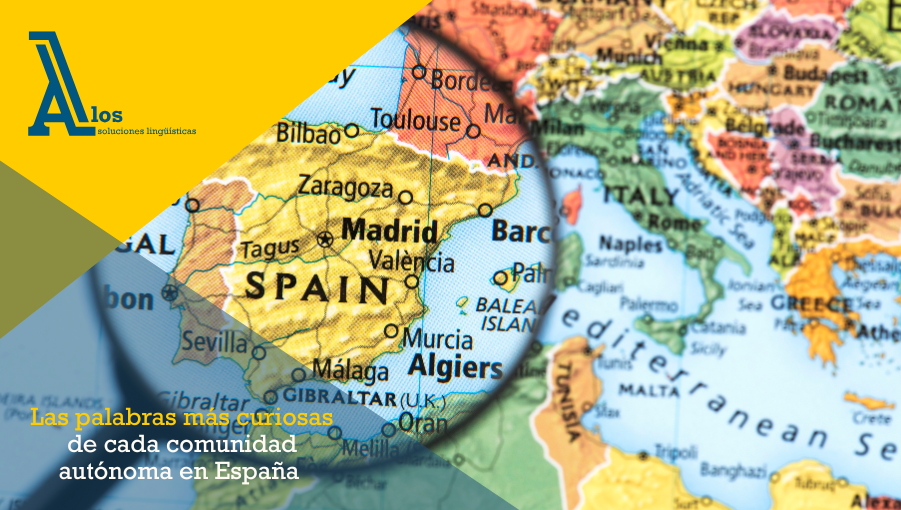
The most curious words from each autonomous community in Spain
Spain is a mosaic of languages and unique expressions. This article takes you on a tour of the most curious words in each autonomous community, from the Asturian "guaje" to the Valencian "ché".