




Pharmaceutical translation: a strategic necessity in a global industry
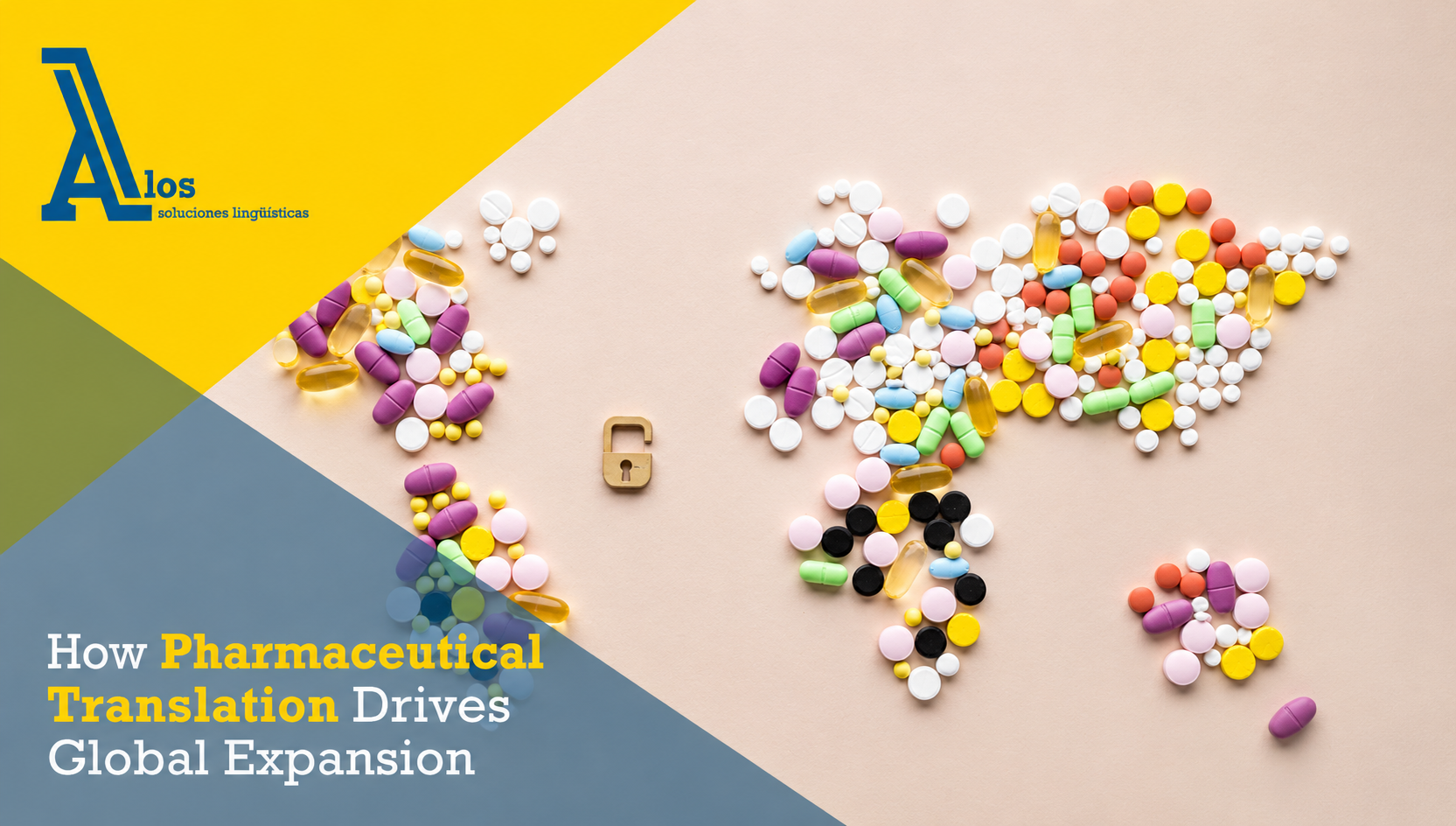
The pharmaceutical industry is one of the most globalised sectors in the world. The global pharmaceutical market continues to grow, driven by rising demand for medicines in emerging markets and increasingly stringent regulatory requirements. As a result, translation in the pharmaceutical industry has become a strategic necessity rather than simply a linguistic task.
India, known as the “pharmacy of the world”, accounts for around 60% of global vaccine manufacturing volume. Such an extensive international reach would not be possible without translated labelling, safety information and regulatory documentation in multiple languages. Each market has its own regulatory requirements, overseen by authorities such as the FDA (United States), the EMA (European Union) and ANMAT (Argentina).
AI-assisted translation tools have also transformed the sector. Technologies such as MTPE (machine translation post-editing) and TMS (translation management systems) make it possible to handle large volumes of content more quickly and consistently, while specialist human review helps maintain the accuracy and quality required in regulated environments. These innovations are reshaping pharmaceutical translation and supporting faster, more efficient international expansion.
Technology and quality control in pharmaceutical translation
Digitalisation has transformed pharmaceutical translation, particularly through neural machine translation engines, translation management systems (TMS) and linguistic quality assurance (LQA) software. These technologies allow large volumes of content to be processed more quickly and consistently, which is crucial in a highly regulated environment.
Machine translation post-editing (MTPE) is becoming increasingly common: artificial intelligence generates an initial translation, which a specialist translator then reviews and corrects to ensure terminological accuracy, clarity and compliance with relevant requirements. When used appropriately, this combination of AI and human expertise can speed up the process while maintaining high quality standards, a balance that is essential in regulated environments.
Specialist providers must follow rigorous quality procedures that ensure documented processes, traceability, independent review and terminology validation. Quality is not negotiable in this sector: errors can lead to regulatory penalties, delays in obtaining authorisation or even risks to patient safety. That is why internal and external audits, approved glossaries and style guides are essential components of a reliable translation strategy.
Human expertise and continuing professional development
Technology makes the work easier, but the real value of pharmaceutical translation lies in the professionals behind it. Specialist medical and pharmaceutical translators with knowledge of pharmacology, biotechnology or health sciences understand the technical terminology and regulatory requirements of different markets. Terms such as ADR (adverse drug reaction), API (active pharmaceutical ingredient) and CRF (case report form) leave little room for error or ambiguity.
The pharmaceutical sector is also constantly evolving. Changes to EMA guidelines, updates from the FDA and new ICH guidelines require ongoing training for translators and project managers. Leading providers invest in training in pharmacovigilance, clinical trials, healthcare legislation and the advanced use of CAT (computer-assisted translation) tools.
This multidisciplinary approach, combining scientific knowledge, linguistic precision and technological expertise, is what makes pharmaceutical translation genuinely effective and enables it to play a strategic role in bringing medicines and treatments to international markets.
Shorter time to market and a stronger competitive position
One of the most direct benefits of high-quality pharmaceutical translation is its contribution to reducing time to market: the time it takes for a product to reach the market. Accurately translated documentation delivered on schedule can help streamline submissions and prevent avoidable delays during regulatory reviews by authorities such as the FDA, EMA or ANMAT.
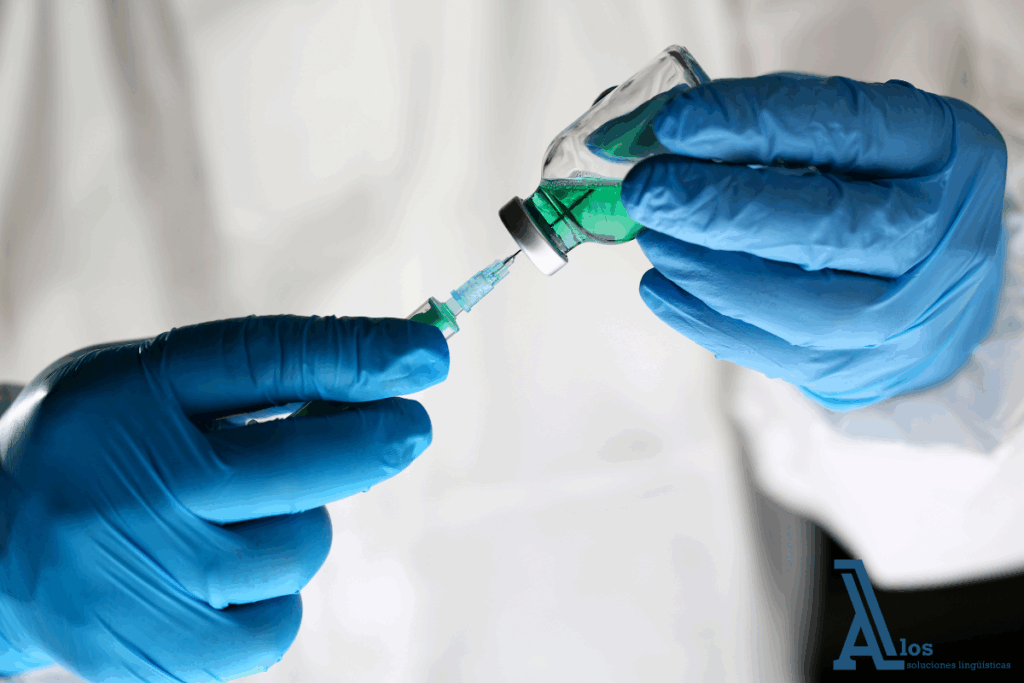
In critical situations, such as vaccine development during a public health emergency, every day counts. Translating protocols, technical reports, instructions for use (IFUs) and labelling clearly and in accordance with regulatory requirements is essential for efficient submission and review processes. It also helps prevent documentation from being rejected or returned for correction because of translation errors, which can cause costly delays.
High-quality pharmaceutical translation also strengthens a company’s competitive position. It helps businesses establish themselves as reliable partners for health authorities, international collaborators and distributors. This trust can create further opportunities for licensing agreements, strategic partnerships and commercial expansion in both established and emerging markets.
One translation mistake. Big consequences.
Can you spot the risk before it causes a problem? Three quick decisions. Let’s see how you do.
Your results
Global access and connecting with patients
Translation is not just a regulatory requirement; it also plays a vital role in making medicines accessible to people around the world. Patients, as well as doctors and pharmacists, need to understand the information they receive. Package leaflets, labels, consent forms, educational materials and digital applications must be available in the appropriate language, culturally adapted and clearly written.
High-quality pharmaceutical translation can improve treatment adherence, reduce errors caused by misunderstandings and increase confidence in medicines. This is particularly important in regions where health literacy is lower or where local languages require more specialised adaptation.
In short, a well-planned language strategy does more than support business growth: it also serves an essential social and public health purpose, helping ensure that treatments reach patients, are understood and are used correctly across the world.
Our specialist translation services
At Alos Soluciones Lingüísticas, we understand that accuracy, confidentiality and regulatory compliance are not optional in the pharmaceutical sector: they are essential. That is why we offer a comprehensive range of language services tailored to the specific needs of the pharmaceutical industry, from clinical research through to product marketing.
Our services include:
- Translation of regulatory documentation: NDAs, CTAs, DMFs, ASMFs, IFUs, pharmacovigilance reports, analytical method validation documents and more.
- Clinical trial translation: informed consent forms, CRFs, study protocols, investigator’s brochures and adverse event reports (SAE/ADR).
- Localisation of medical and marketing materials: labels, package leaflets, brochures for healthcare professionals (HCPs), multilingual campaigns and pharmaceutical websites.
- Patent and intellectual property translation: translation of pharmaceutical and biotechnology patent applications and related documentation.
- Scientific review and technical validation: specialist review and terminology checks to ensure accuracy and consistency, with additional subject-matter expertise where required.
- Quality-assured translation services: structured quality control processes, CAT tools, approved glossaries, independent bilingual review, LQA and traceability.
- End-to-end multilingual project management: coordination of large volumes of content across multiple languages, with reliable delivery schedules and ongoing support.
At Alos Soluciones Lingüísticas, we help pharmaceutical companies communicate clearly, accurately and confidently across international markets.
PHARMACEUTICAL TRANSLATION REQUIRES PRECISION AT EVERY STAGE
From clinical trial documentation to regulatory submissions and patient information, ALOS provides specialist translation services to help your company communicate accurately across international markets.
Frequently asked questions (FAQs)
Pharmaceutical translation involves translating and adapting technical, regulatory, clinical and commercial documentation for the pharmaceutical industry. It requires precise terminology, compliance with relevant regulatory requirements and cultural appropriateness for each target market.
We translate a wide range of documents, including NDAs, CTAs, IFUs, SOPs, CRFs, labels, package leaflets, pharmacovigilance reports, clinical trial protocols, patent documentation and medical marketing materials.
Translation errors can lead to regulatory penalties, put patient safety at risk or delay the launch of a medicine. Accurate pharmaceutical translation is essential for supporting patient safety, effective communication and regulatory compliance.
We can use technologies such as neural machine translation and machine translation post-editing (MTPE), where appropriate, with specialist human review. Combining technology with pharmaceutical expertise can improve efficiency while maintaining the necessary quality standards.
Our translation services follow rigorous quality assurance procedures, including terminology management, independent review and linguistic quality checks. International standards such as ISO 17100 provide a framework for professional translation services, while ISO 18587 specifically addresses machine translation post-editing.
Yes. We manage multilingual translation projects across a wide range of languages, coordinating translators and reviewers to meet international regulatory submission deadlines and support global product launches.
A specialist pharmaceutical translator has relevant knowledge of health sciences, pharmaceutical terminology and regulatory documentation. They understand technical abbreviations such as ADR, API and GCP (Good Clinical Practice) and use specialised glossaries to ensure accuracy and consistency.
Delivery times depend on the document’s length, complexity, language combination and review requirements. For example, a pharmaceutical translation of 10,000 words may take approximately 5–10 working days, depending on the project. Contact us for a personalised quotation and delivery schedule.
We can review and update previously translated documentation to reflect changes in relevant regulatory guidelines. If requirements issued by authorities or organisations such as the EMA, FDA or ICH change, we can help adapt the translated content to keep it aligned with the latest applicable guidance.
